Author: Sarah Thomas

  • Tassie’s Producer Directory

    Tassie’s Producer Directory

    Looking for fresh, local Tasmanian produce?

    Browse our Producer Directory to discover growers, farmers, makers and local food businesses across the state. Search by region, product or business, and explore listings in either an easy-to-use interactive map or grid view to find local food near you.


    Showcase your business to thousands of Tasmanians

    Since 2020 the Eat Well Tasmania Producer Directory has been the free way to connect your business with people who are passionate about buying local. Whether you’re a farmer, grower, artisan producer or community food organisation, your listing helps more Tasmanians discover where to find fresh, seasonal food while strengthening our local food system.

    Creating a listing is quick and straightforward. Simply register your business, add your contact details, write a short description about what you offer, and upload an image that showcases your produce or business. Once approved, your listing will appear in both map and grid view, making it easy for customers to find you wherever they are in Tasmania.

    We welcome listings from:

    • Farmers and growers
    • Farm gates
    • Orchards and vineyards
    • Dairy producers
    • Meat and seafood producers
    • Honey producers
    • Mushroom growers
    • Olive growers and olive oil producers
    • Fruit and vegetable producers
    • Artisan food makers and value-added producers
    • Bakeries and specialty food producers
    • Community gardens
    • Farmers’ markets and produce markets
    • Fresh food retailers and greengrocers
    • Food co-operatives and wholefood stores
    • Agritourism and pick-your-own experiences

    Join hundreds of Tasmanian producers already featured in the directory and help more people discover the incredible food being grown and made across our island. Register your business today and become part of Tasmania’s growing local food community.

  • Safe food shouldn’t come at the cost of community food

    Safe food shouldn’t come at the cost of community food

    By Kate Crawford, State Manager, Eat Well Tasmania.

    Tasmanians care deeply about food.
    We care that it is safe. We care that it is healthy. And we care that it is local.

    For decades, governments, health organisations and communities have encouraged people to grow their own food, eat more vegetables and fruit, support local producers and share surplus produce with neighbours and others. We have invested in school kitchen gardens, community gardens, farmers’ markets and neighbourhood food initiatives because we know they improve health, reduce food waste, strengthen social connections and help families access fresh, affordable food.
    These are not just lifestyle choices. They are public health successes.

    Kate Crawford, State Manager – Eat Well Tasmania

    That is why the proposed Primary Produce Safety (Horticulture Produce) Regulations have generated such widespread discussion across Tasmania recently.
    From Eat Well Tasmania’s perspective, this isn’t a debate about whether food safety matters. Of course it does.

    Every Tasmanian should have confidence that the food they purchase and consume is safe. Strong food safety regulation protects consumers, strengthens trust in our food system and supports Tasmania’s reputation for high-quality produce.

    The question isn’t whether we regulate.

    The question is whether we regulate in a way that is proportionate to risk.

    Food safety risks are not the same across every part of our food system.

    Similar questions have also been raised for Tasmania’s hospitality sector. What might regulations mean for restaurants that grow herbs and vegetables in kitchen gardens, or for chefs who responsibly source seasonal foraged ingredients that have become part of Tasmania’s food identity? Greater clarity on where regulations apply will help ensure good food safety outcomes without creating unnecessary uncertainty for businesses already navigating existing operational demands.

    Large-scale production, processing and distribution systems involve multiple handling points, complex supply chains and significantly greater potential public health consequences should contamination occur. These are exactly the places where robust regulation delivers the greatest public health benefit.
    But Tasmania’s food system is much broader than commercial production alone.

    Across the state, people grow food in backyards, volunteer in community gardens, exchange produce through crop swaps, donate surplus vegetables to neighbourhood houses and food relief organisations, and sell a few bunches of herbs or spinach from roadside honesty boxes. These activities are woven into the fabric of our communities.

    They help children learn where food comes from. They encourage people to eat more vegetables and fruits. They reduce food waste. They support people experiencing cost-of-living pressures. They create opportunities for neighbours to connect. They strengthen food literacy and community resilience.
    These are public health outcomes too.

    Throughout the consultation process, Eat Well Tasmania has listened to a broad range of voices from across Tasmania’s food system, including growers, community gardens, neighbourhood houses, food relief organisations, farmers markets, hospitality businesses, retailers, and everyday Tasmanians who grow and share food. While views differ on many aspects of the proposed Regulations, one message has been remarkably consistent.

    People are worried.

    Not because they oppose food safety, but because they fear low-risk community food activities may become unnecessarily complicated or subject to requirements that were never intended for them.
    Many people are simply unsure whether the Regulations apply to them at all.
    Others have told us they would stop growing or sharing leafy greens and berries before attempting to navigate paperwork or regulatory processes they don’t understand.
    Whether those concerns ultimately reflect the final operation of the Regulations is almost beside the point.

    If people are discouraged from growing and sharing healthy food because the system appears too complex or uncertain, Tasmania risks losing something incredibly valuable.
    Good regulation should never unintentionally discourage behaviours that governments and public health organisations have spent decades encouraging.
    This is why Eat Well Tasmania believes there is still an opportunity to strengthen the proposed Regulations.

    We support a genuinely proportionate, risk-based approach that focuses regulatory oversight where food safety risks are greatest, while exempting low-risk community food growing and local food sharing activities that make such an important contribution to healthier communities.

    Where regulation does apply, education should come before compliance.

    People need clear guidance written in plain English. They need practical examples that reflect real community settings. Information should be translated where needed and delivered through trusted organisations already working alongside local communities. Administrative requirements should be proportionate to the level of risk and limited to what is genuinely necessary to protect public health.
    The goal should be understanding, not unnecessary bureaucracy.

    Food safety and community food systems are not competing priorities. In fact, they rely on each other.

    The strongest food systems are those where people trust the food they buy, understand where it comes from, have opportunities to grow and share healthy food, and feel connected to the communities that produce it.

    Tasmania has an opportunity to lead.

    We can strengthen food safety while continuing to encourage backyard food growing, community gardens, local food sharing and stronger local food systems.

    We can protect consumers without discouraging community participation.

    And we can design regulation that reflects both the evidence and the values of Tasmanians.
    Because safe food should never come at the cost of community food.

    Whatever your perspective, this is an important opportunity to help shape the future of Tasmania’s food system. We encourage anyone with an interest in food safety, healthy eating, local food, community gardens, food relief or food security to read the proposed Regulations and make a submission.

    The consultation on the proposed Primary Produce Safety (Horticulture Produce) Regulations closes at 5.00 pm on Thursday 30 July. Full details on how to engage can be found on the following website https://nre.tas.gov.au/biosecurity-tasmania/product-integrity.

  • Food for Thought: Connect & Chat

    Food for Thought: Connect & Chat

    Across Tasmania, incredible work is happening to improve the way we grow, share, access and enjoy food. But we don’t always get the chance to connect.
    That’s why Eat Well Tasmania is launching Food for Thought: Connect & Chat – a free, informal online conversation bringing together people from across Tasmania’s food system.

    Whether you are working in health, community services, agriculture, local government, education, food relief, hospitality, research or food production, you are welcome.

    Each session is an opportunity to:
    • Share what’s happening in your organisation or community
    • Hear about new initiatives, challenges and opportunities from others
    • Make connections that spark collaboration
    • Ask for support, ideas or introductions
    • Stay connected to what’s happening across Tasmania.

    No presentations. No keynote speakers. Just an hour of conversation, new connections and shared learning.

    If you are passionate about creating a healthier, more connected and resilient food system for Tasmania, we would love for you to join us!

    Upcoming sessions hosted online:
    1pm – 1pm Tuesday 28 July 2026
    1pm – 2pm Tuesday 29 September 2026
    1pm – 2pm Tuesday 24 November 2026

  • Meet the Chef: Thomas Pirker, Grain of the Silos

    Meet the Chef: Thomas Pirker, Grain of the Silos

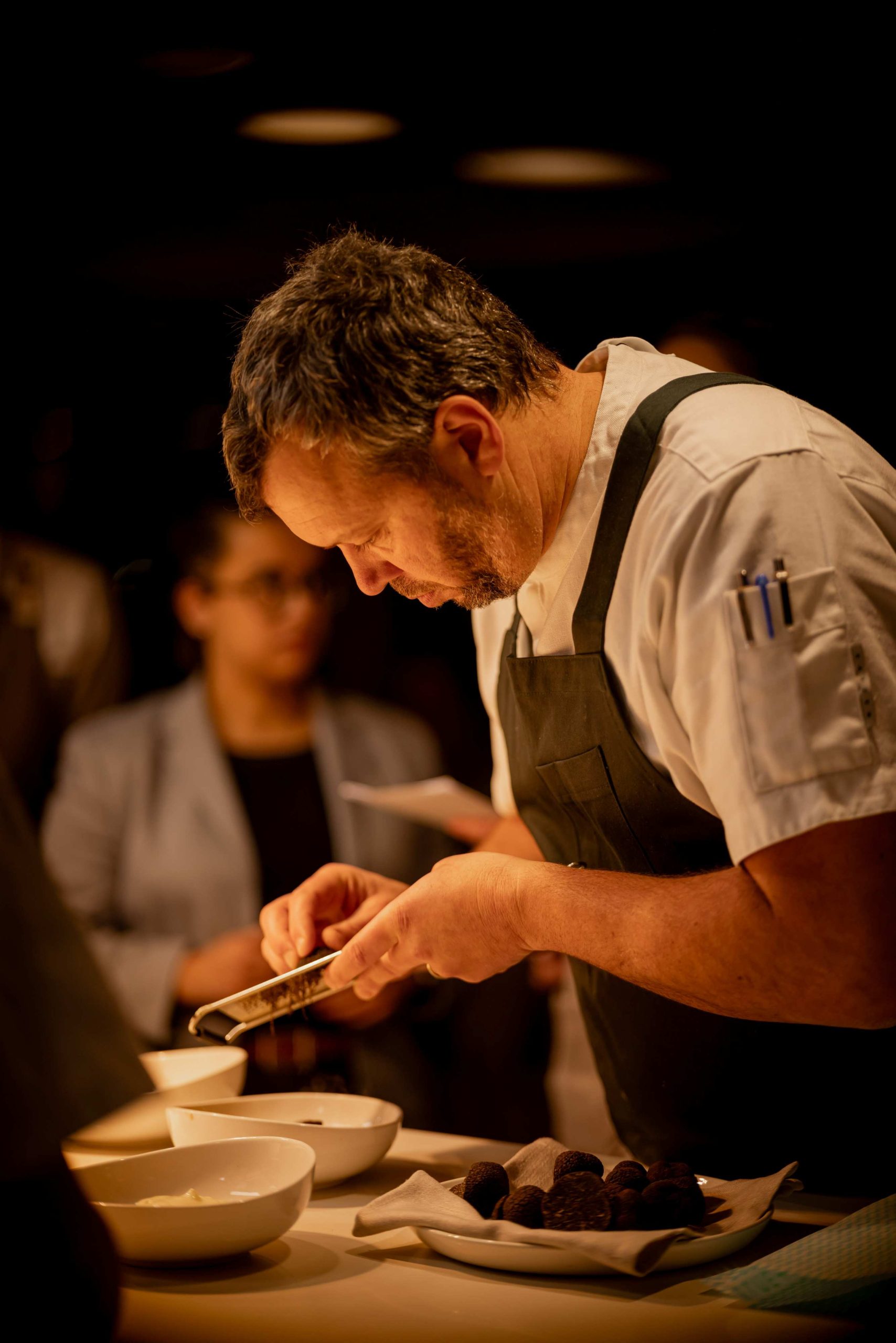
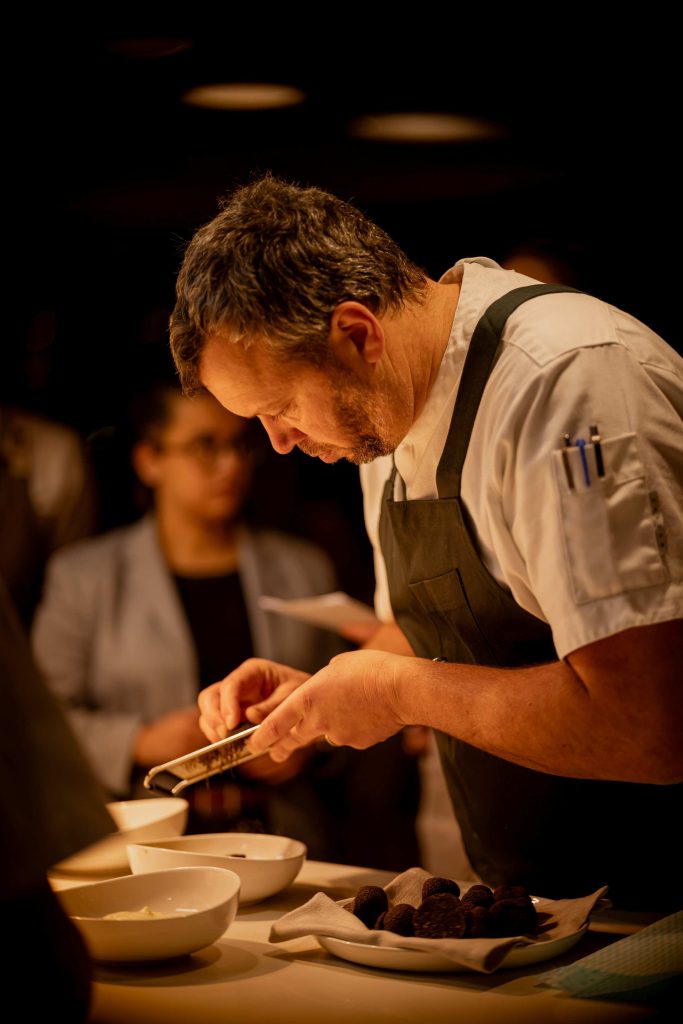
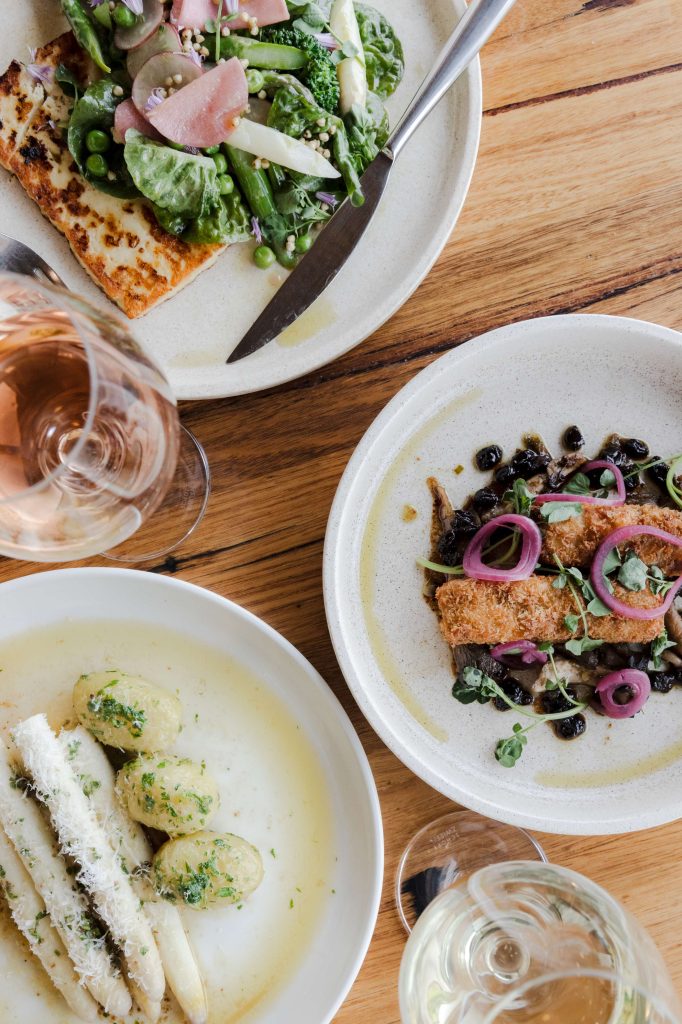
    From Austria to Northern Tasmania, Chef Thomas Pirker has built a reputation for showcasing the very best of Tasmanian produce at Grain of the Silos at Peppers Silos Launceston. We caught up with Thomas to chat about winter ingredients, working closely with local growers, and why Tasmania’s food story continues to inspire him every day.

    You’ve cooked in some incredible places around the world before making Tasmania home. What first drew you here, and what made you decide to stay?
    The story with Tasmania actually began long before we moved here. My wife and I came here for our honeymoon and then returned for another holiday. We spent time exploring the state and said to each other that if an opportunity ever came up to live here, we’d seriously consider it.
    For a chef, Tasmania is incredibly special because of the produce. The freshness, the quality and the access to great ingredients is unlike anywhere else. That’s one of the biggest drawcards for me.
    I also love the lifestyle. It’s a little quieter, a little slower and a little more relaxed, and that’s something we’ve really come to appreciate.

    Winter can be one of the more challenging seasons for sourcing produce. How does that shape the way you plan your menus?
    When I first arrived seven years ago, winter was definitely the hardest time of year. June, July and August could be quite challenging because there simply wasn’t as much local produce available.
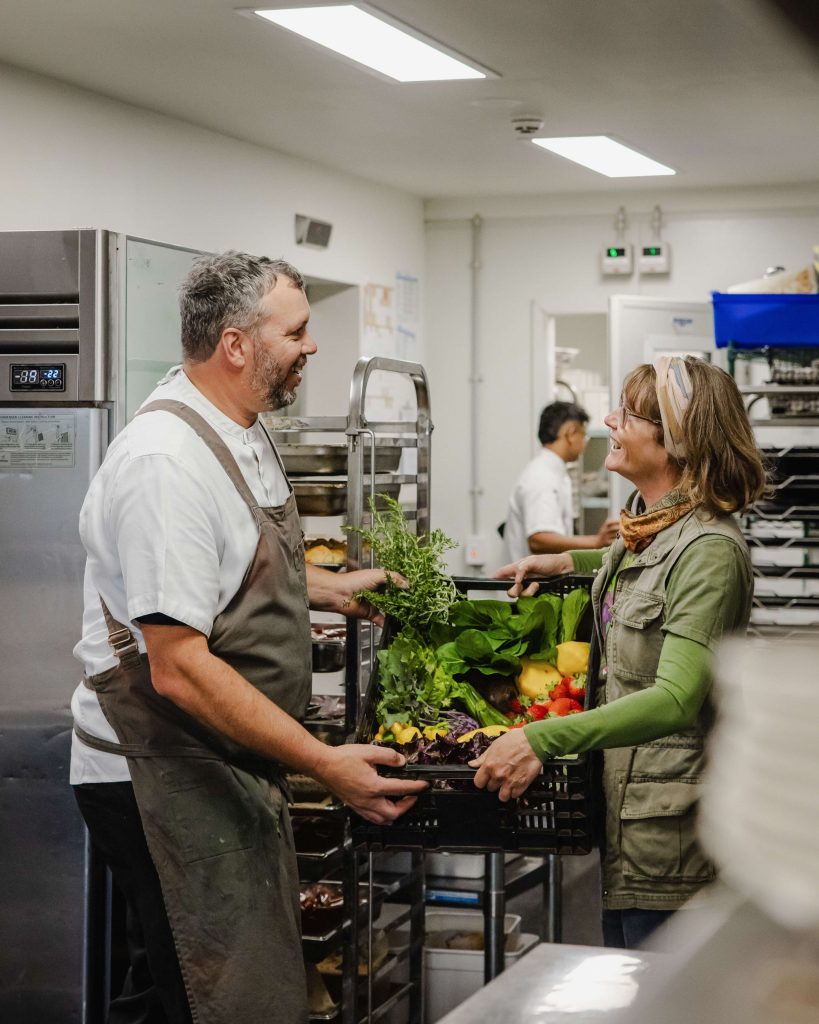
    Over the years we’ve built strong relationships with local growers, and that’s completely changed the way we work. We meet with our growers a couple of times each year to discuss what grew well, what didn’t, and what we’d like to see in future seasons.

    Wouter from Seven Springs Farm has been working with us for around five years, and together we’ve been able to trial and grow vegetables that thrive through winter. It’s the same with Kate from Karoolalla Farm, we work closely together and we continually look for opportunities to extend the season.
    The gaps are getting smaller every year. We’re now growing rocket through winter, which is fantastic, and we’ve also become much more focused on preserving produce when it’s at its peak. We preserve everything from apricots to asparagus and a range of vegetables during the warmer months so we can continue showcasing Tasmanian flavours throughout winter.
    It’s been a long journey, but we’re getting closer to sourcing local produce all year round.

    Grain of the Silos has built a strong reputation for celebrating Tasmanian producers. Why is it important to showcase not just the food, but the people behind it?
    Every great restaurant needs a story.
    For us, that story has always been built around the growers and producers in our region. The stronger those relationships become, the better the food we can put on the plate.
    Supporting local producers also means supporting our community. At a time when so much food production is becoming larger and more corporate, it’s important that local farmers continue to grow, survive and succeed.
    It’s never simply about getting the cheapest price. It’s about building long-term relationships with people who care about producing great food in the right way.
    We spend time listening to our growers because they face challenges many of us don’t see. Whether it’s changing weather, soil conditions or seasonal pressures, understanding what they’re experiencing helps us plan together and create a stronger local food system.

    Are there any winter ingredients you think deserve a little more attention?
    Absolutely. I think there are plenty of fantastic vegetables that people simply aren’t familiar with anymore.
    Ingredients like black salsify, celeriac and Jerusalem artichokes are beautiful winter vegetables, but they can sometimes be difficult to introduce because people don’t know what they are or how to cook them.
    That’s where our front-of-house team plays an important role. They can explain the ingredients, tell the story behind them and encourage people to try something new.
    Sometimes it’s simply about presenting an ingredient in an unexpected way. We once made a Jerusalem artichoke ice cream, and people were fascinated. Once they tasted it, they loved it.

    Many home cooks can feel a little uninspired during winter. What’s one piece of advice you’d give them?
    Don’t be afraid to try something new.
    Whether it’s cooking with a different vegetable or experimenting with an ingredient you’ve never used before, it doesn’t have to be complicated. Read a recipe, give it a go and have some fun with it. Trying something different is part of the enjoyment of cooking!

    If someone visited a farmers’ market this weekend, what would you encourage them to look out for?
    Winter vegetables are incredible right now. The cooler weather helps produce stay crisp, fresh and full of flavour.
    Truffles are also in season and are fantastic at the moment.
    I’d also encourage people to enjoy Tasmania’s seafood during winter. The colder water produces beautiful seafood that’s well worth seeking out.

    Do you have a favourite season for cooking?
    I’d have to say spring and autumn.
    I grew up in Austria, where asparagus is a huge part of the food culture, so spring has always been a favourite. I’m very happy that asparagus grows so beautifully here in Tasmania as well.
    Autumn is another wonderful season because the range and quality of vegetables is simply outstanding.

    Launceston was recognised as a UNESCO City of Gastronomy in 2021. What does that recognition mean for Northern Tasmania?
    I think it’s a tremendous opportunity for the region.
    Recognition from UNESCO shows that we’re doing something right. It’s not something that’s awarded lightly, and it gives people around the world another reason to discover what Tasmania has to offer.
    If the region continues working together and supporting one another, I think it has enormous potential to attract more visitors and strengthen Northern Tasmania’s reputation as a truly world-class food destination.

    Just for fun… what’s your favourite vegetable?
    Salsify.
    And your favourite fruit?
    That’s a much harder question! I have to go with apricot.

    The Wrap
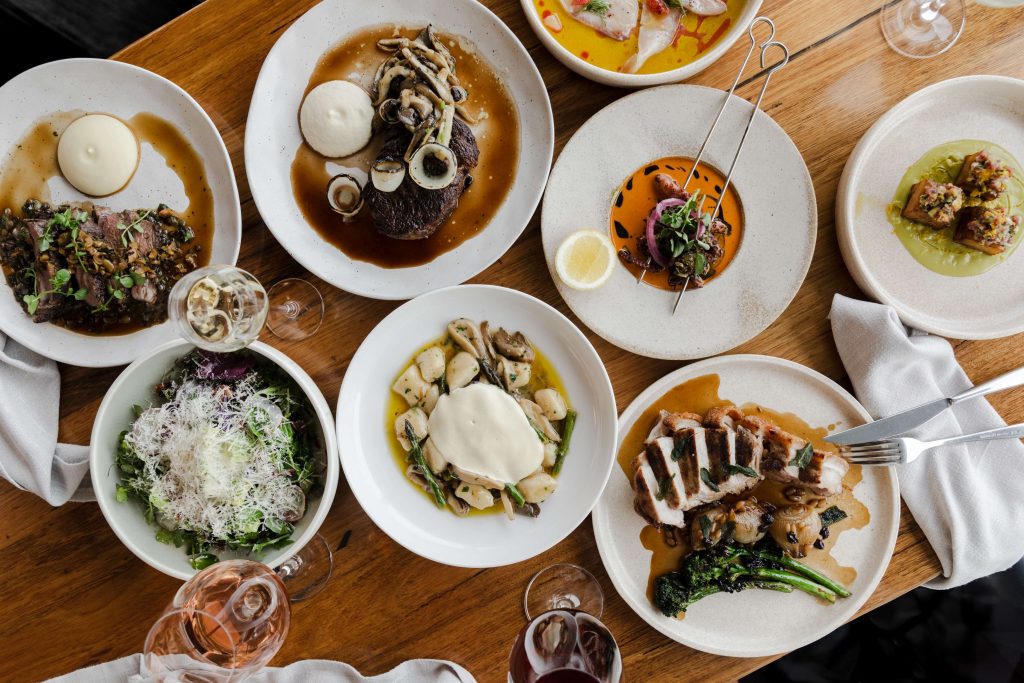
    Explore an abundant harvest gathered from port to wilderness at Grain of the Silos.
    From Flinders Island Wallaby to Boomer Bay Oysters to the creamiest Dutch potatoes – this marvellous island of ours has been scoured for perennial favourites and seasonal treasures to take the lead on a carefully curated menu.
    Where: Grain of the Silos, Peppers Launceston

  • What’s Growing on at UTAS: Community Gardens Cultivating Connection and Confidence

    What’s Growing on at UTAS: Community Gardens Cultivating Connection and Confidence

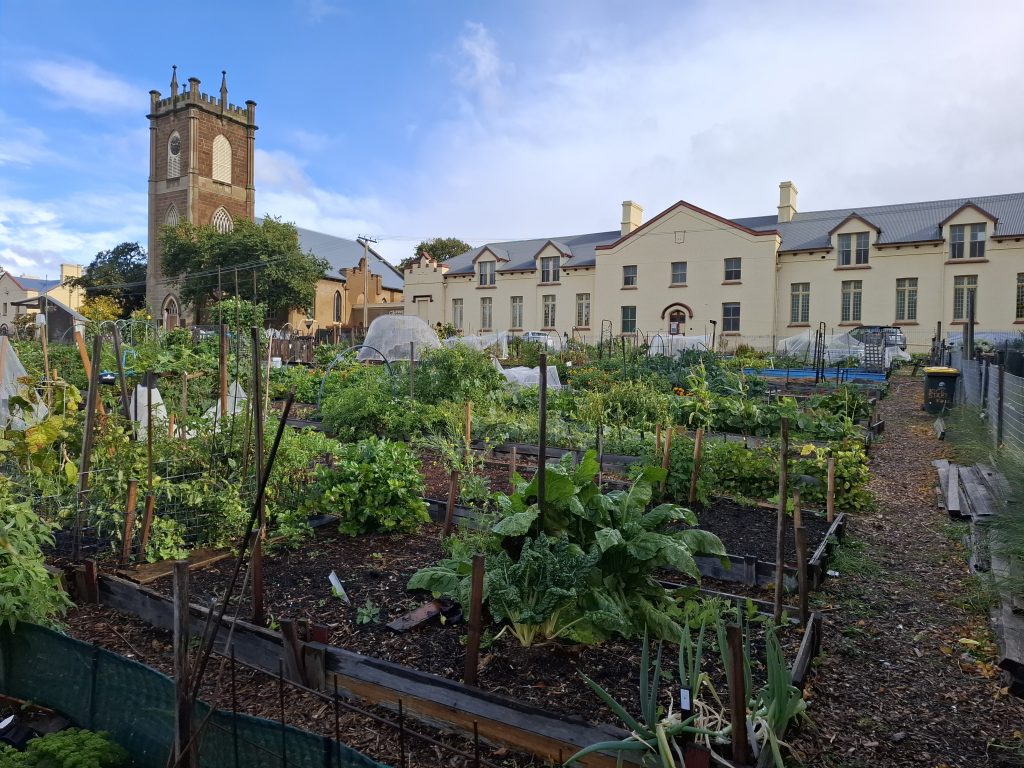
    From heritage fruit trees to native bushfoods, the University of Tasmania’s community and student food gardens are doing far more than growing vegetables. Across campuses, they’re helping students discover where food comes from, learn lifelong skills and build meaningful connections with each other and nature.
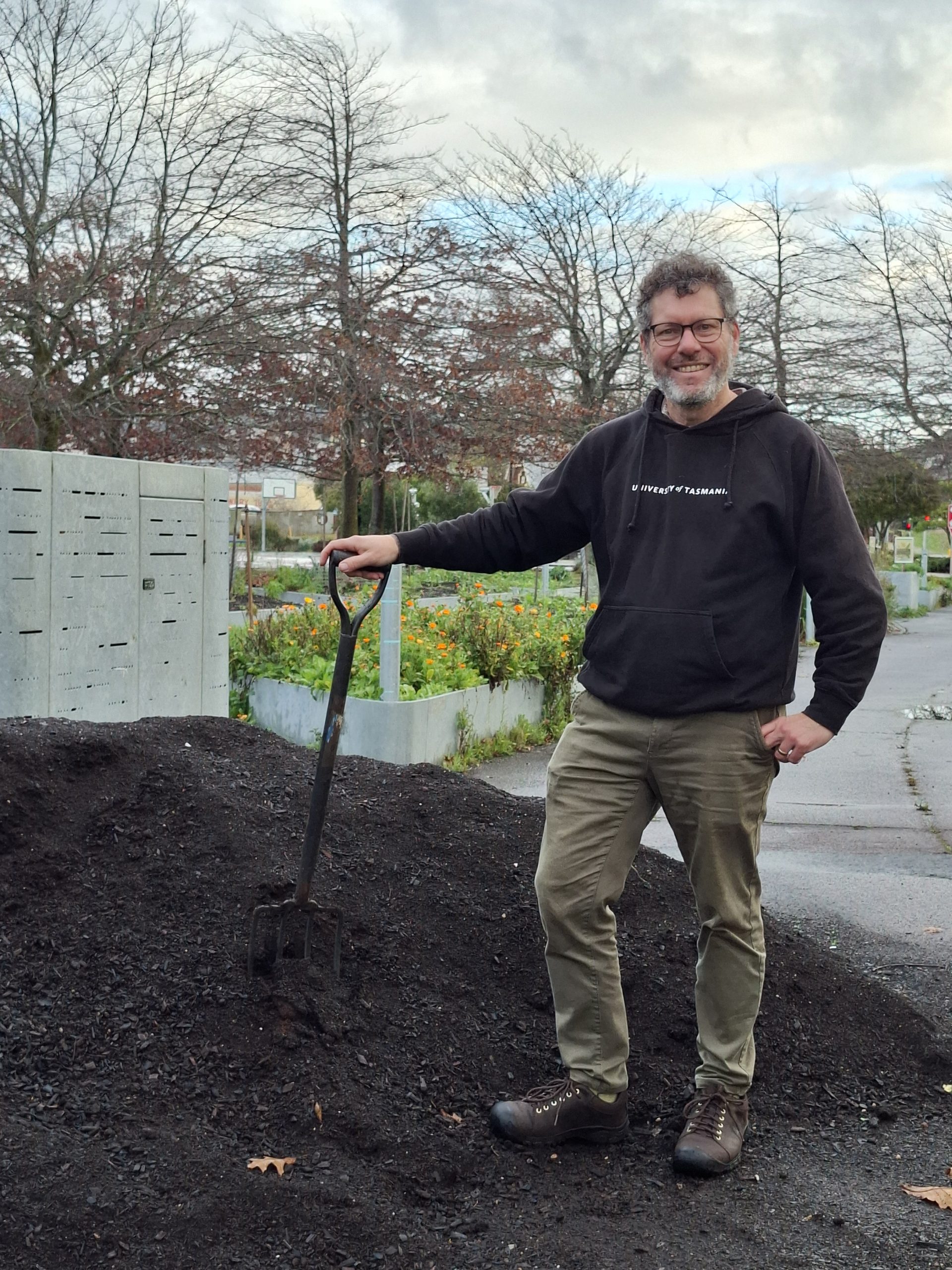
    We spoke with the Jeff McClintock, the university’s Community Garden Coordinator about the gardens, the people who bring them to life, and the remarkable stories that have grown from them.

    What are the University of Tasmania community and student food gardens, and why were they created?
    The community and student food gardens are part of the University of Tasmania’s Edible Campus Program, which aims to grow a wide variety of food plants across campuses throughout the state.
    While producing fresh food is an important part of the program, the gardens were created with a much broader purpose in mind.
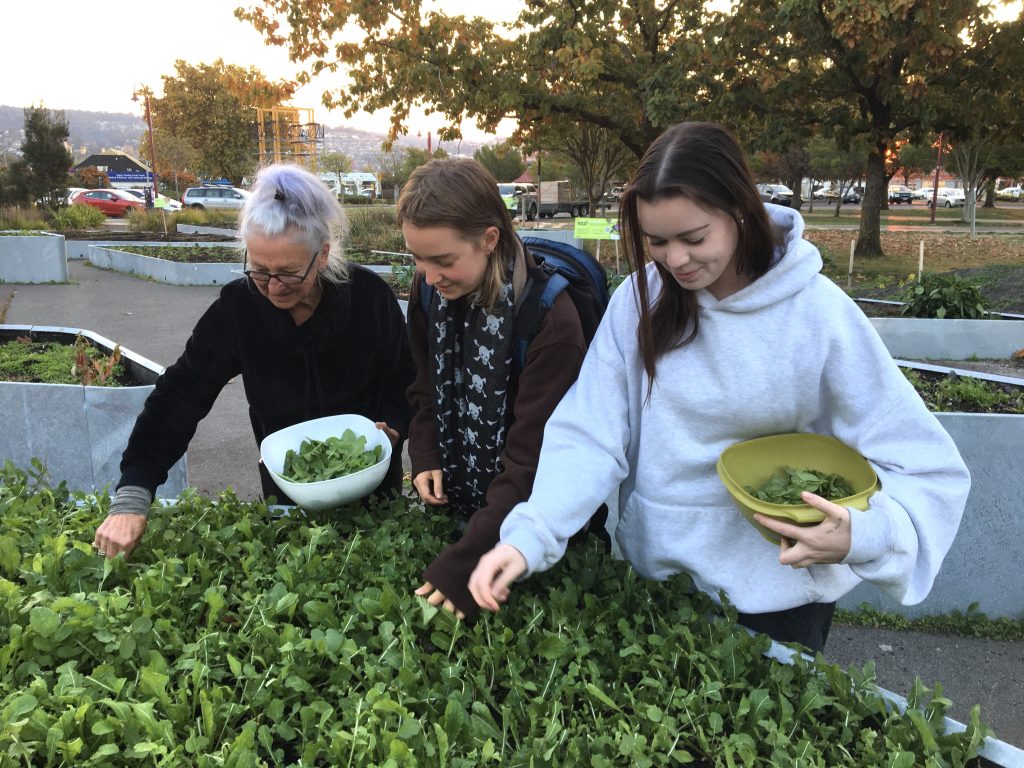
    Food insecurity affects many people in Tasmania, including university students, staff and the wider community. The gardens provide opportunities for people to harvest fresh produce, but just as importantly, they help them learn the skills to grow their own food.
    For students, that means much more than planting seeds. They learn how to nurture plants, recognise when produce is ready to harvest and, importantly, how to prepare and cook what they’ve grown.
    It’s about giving people the confidence to grow, harvest and enjoy their own food.

    Many people think of community gardens as rows of vegetable beds. What else can visitors discover in these spaces?
    The Edible Campus Program takes a much broader view of what an edible landscape can be.
    Alongside seasonal vegetables, the gardens feature Tasmanian native food plants including pepperberry, saltbush and pigface, whose sweet, slightly salty fruit often surprises first-time tasters with flavours reminiscent of kiwi fruit and figs.
    The University also cares for a heritage orchard at the Newnham campus in Launceston, home to around 60 fruit trees, including rare heritage apples and pears dating back to the 1800s.
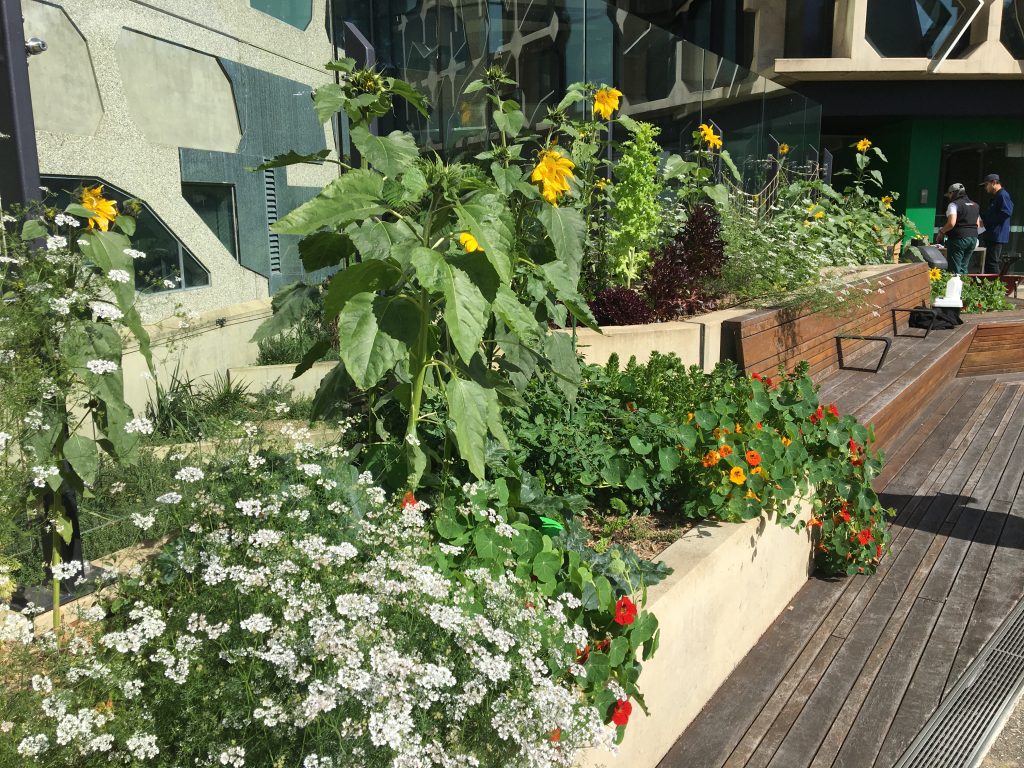
    Another exciting part of the program is foodscaping – transforming traditional ornamental gardens into productive edible spaces.
    One example is the Medical Science Precinct in Hobart, where a tired courtyard has been reimagined into a thriving food garden filled with fruit trees, citrus and seasonal produce. Supported by an enthusiastic group of staff volunteers, it has become a vibrant green space right in the heart of the city.
    We’re showing that food can be grown almost anywhere – not just in traditional vegetable gardens.

    Have you seen any memorable friendships, community connections or personal transformations emerge from the gardens?
    Absolutely! One Launceston student first wandered into the gardens while watching from a distance as volunteers worked. After being invited to help dig, she discovered gardening was exactly what she needed.
    She later shared that she’d been struggling with her mental health and believed spending time in the gardens could help.
    Over the following two years she became one of the group’s most active members.
    The transformation was remarkable.
    The confidence she gained eventually led her to participate in an international university exchange program in the United States – something she admits she would never have considered before joining the gardens.
    Another memorable story involved an international student from Hong Kong who had grown up in a high-rise apartment and had never gardened before.
    She was literally trembling with excitement when she attended her first gardening session. She quickly embraced gardening, combining her love of cooking with freshly harvested produce and regularly sharing photos of the meals she’d created.
    The friendships she built proved just as meaningful.
    When she later moved interstate and got married, she invited the entire student gardening group to her wedding!

    What surprises people most when they get involved for the first time?
    For many people, particularly those who have grown up disconnected from nature, it’s simply discovering that things like soil and compost aren’t something to fear.
    For example, there’s often a perception that compost is ‘dirty’ because it’s made from food scraps. In reality, good compost is alive, healthy and full of life.
    I often say good compost smells like a walk in a damp forest.
    Helping people overcome that hesitation – whether it’s touching soil for the first time or discovering that compost worms are friends rather than something to avoid – is often one of the first and most rewarding steps in their gardening journey.

    What has been one of the most rewarding success stories you’ve experienced through the program?
    One student joined the Inveresk gardening group having never grown food before.
    Over the next couple of years they learned the fundamentals of gardening while living in student accommodation.
    When they later moved into private accommodation with a small yard, they put those new skills into practice and started growing their own food.
    The following autumn they returned to the University gardens carrying an enormous pumpkin they’d grown themself!
    They’d gone full circle – from learning how to grow food with the student gardening group to bringing their own harvest back to share with the group.

    How do the gardens help students and community members better understand where their food comes from?
    Simply having the gardens in prominent locations around campus sparks curiosity.
    Students pass them every day, stopping to wonder what different plants are, or discovering, sometimes for the first time, what vegetables actually look like growing in the ground.
    The University also works closely with academic programs and visiting school groups, creating opportunities for students from disciplines including architecture and design to contribute to the gardens while learning about sustainable food systems.
    One particularly memorable visit involved a group of students from Taiwan.
    Many had grown up in densely populated cities and had never seen vegetables growing before.
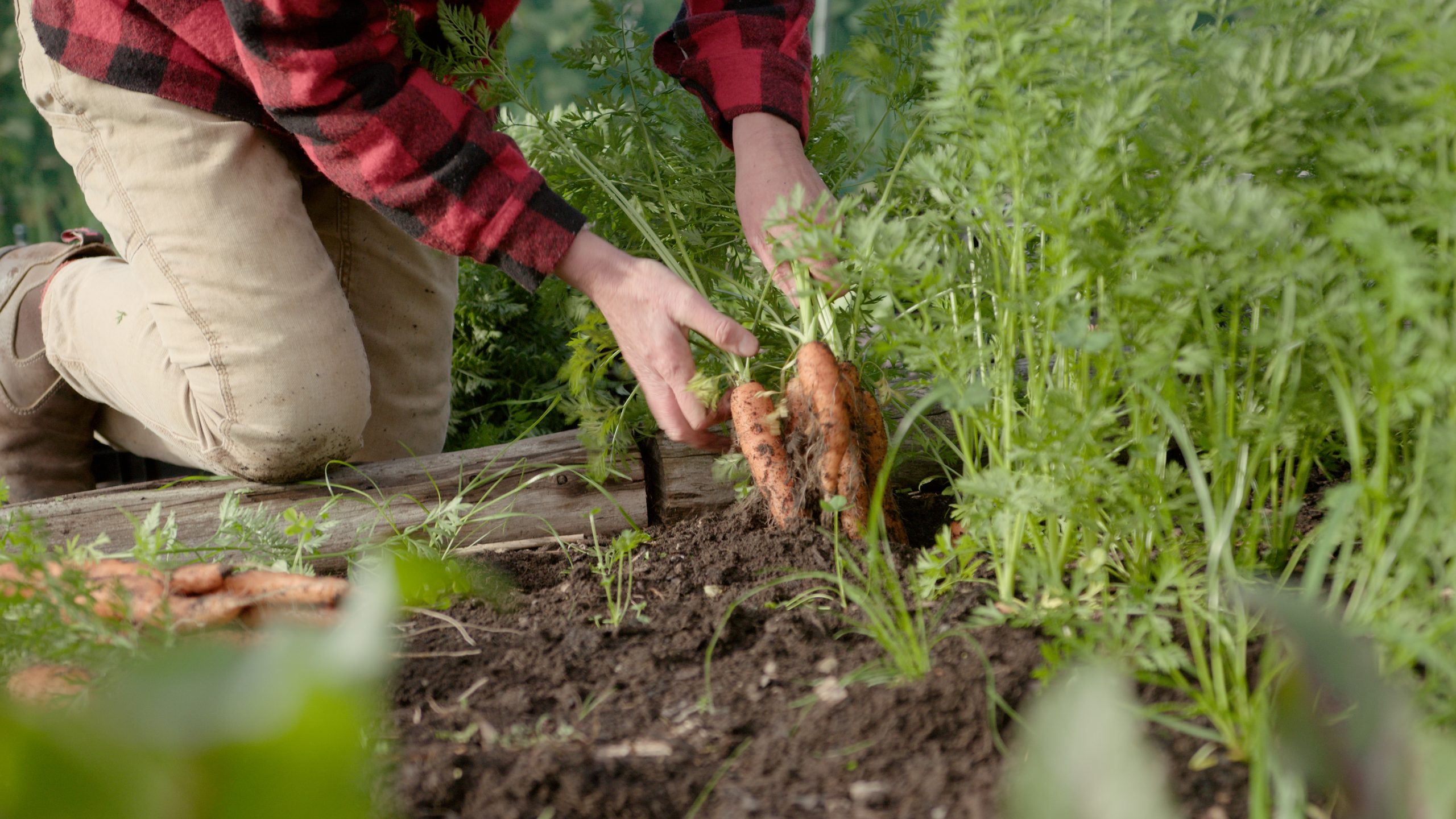
    When the first carrot was pulled from the ground, the group erupted with excitement.
    They squealed, pulled out their phones to film it, and every carrot after that got the same reaction. They all wanted to take a carrot home as a souvenir.
    Moments like these remind us just how disconnected many people have become from the origins of their food – and how powerful it can be to reconnect.

    If someone has never grown anything before, what would you recommend?
    Keep it simple.
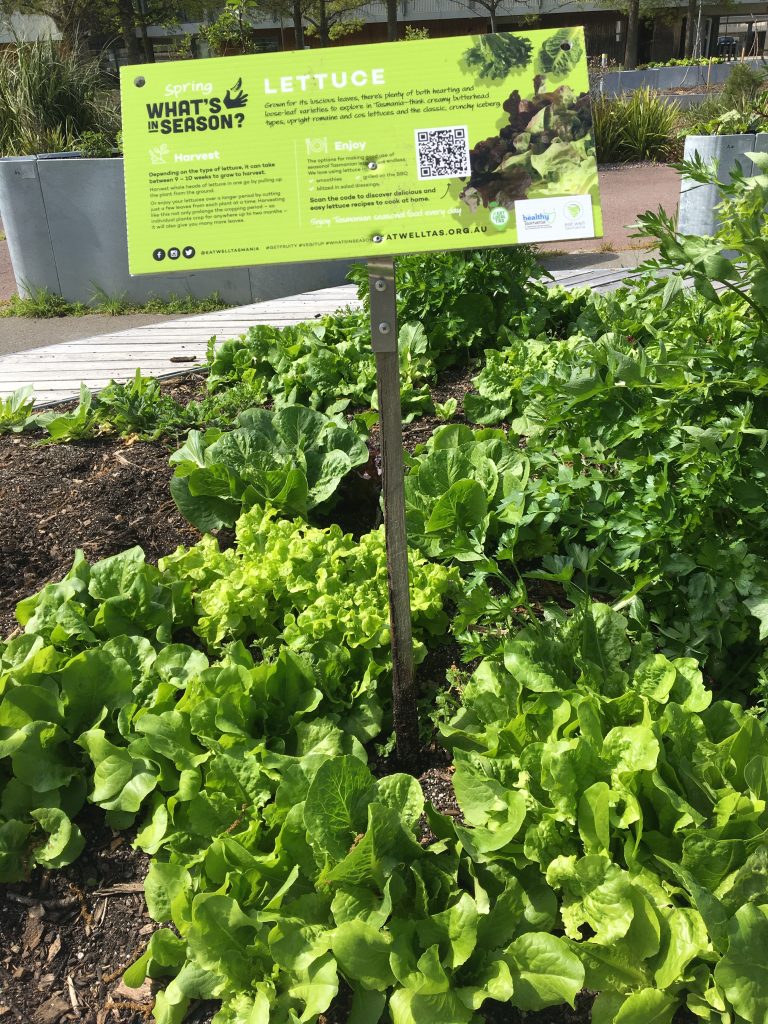
    Leafy greens such as lettuce, spinach, silverbeet and kale, and herbs like parsley are ideal for beginners because you can start harvesting leaves almost immediately, without waiting for fruit to develop.
    They’re versatile, productive and can save money too.
    The cost of one punnet of seedlings can produce many times the amount you’d get in a bag of salad leaves at the supermarket – and you harvest only what you need, reducing waste.

    Just for fun… what’s your favourite vegetable?
    A Pink Eye potato, Tasmania grows beautiful potatoes, and Pink Eyes are hard to beat.
    Beans and carrots also receive an honourable mention.

    And your favourite fruit?
    A perfectly ripe Tasmanian apricot. Fresh from the tree, sun-ripened, juicy, with the juice running down your hands – that’s the best.

    The Wrap
    The community and student food gardens are part of the University of Tasmania’s Edible Campus Program, which aims to grow a wide variety of food plants across campuses throughout the state.
    Where: Find a garden near you

  • Partner Spotlight: Meals on Wheels delivers more than food

    Partner Spotlight: Meals on Wheels delivers more than food

    Interview with Bronte Rowe, Marketing & Volunteer Engagement for Meals on Wheels Tasmania

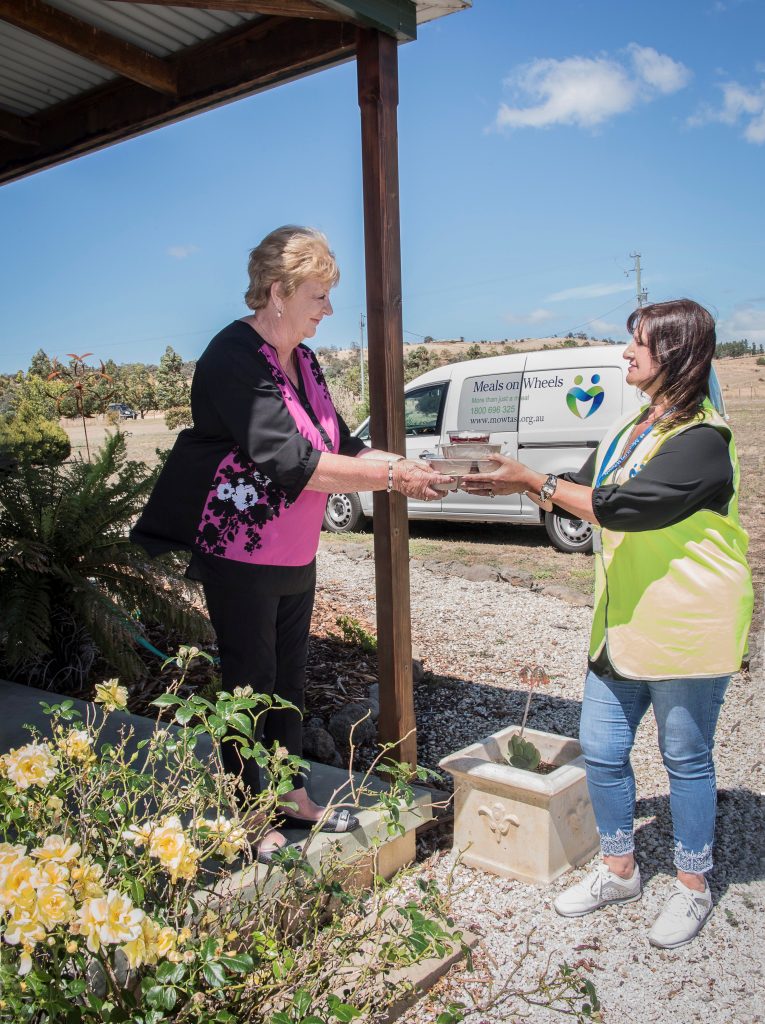
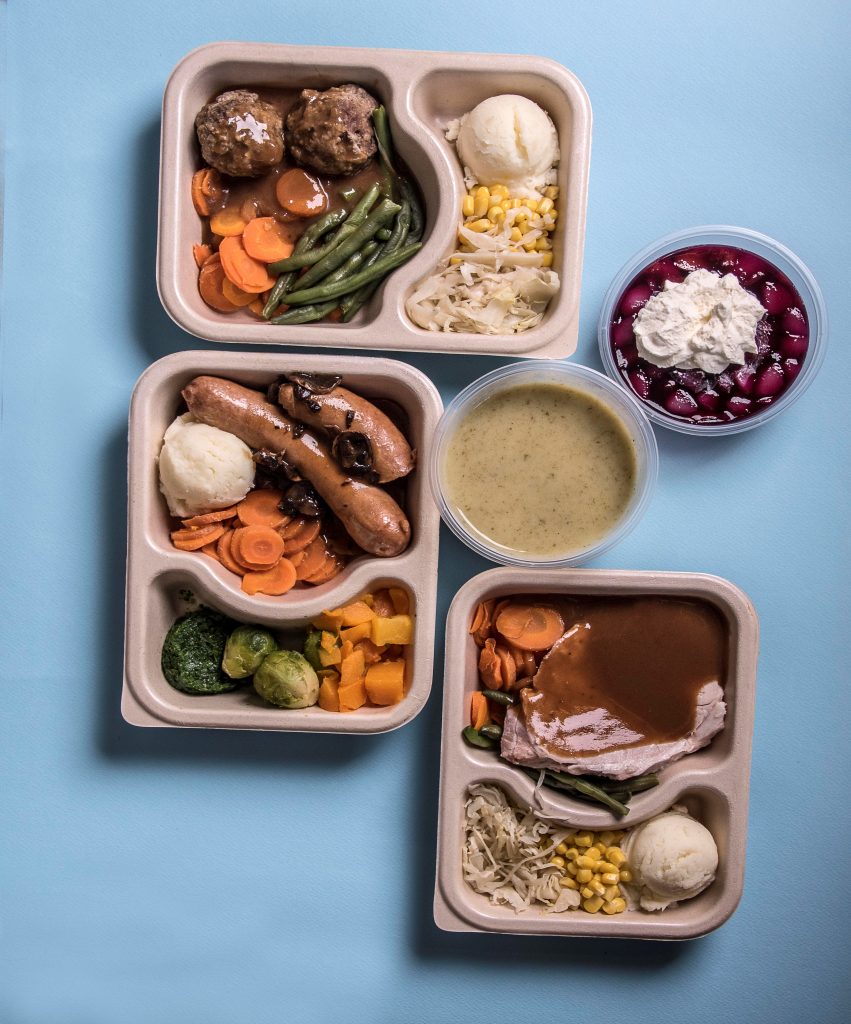
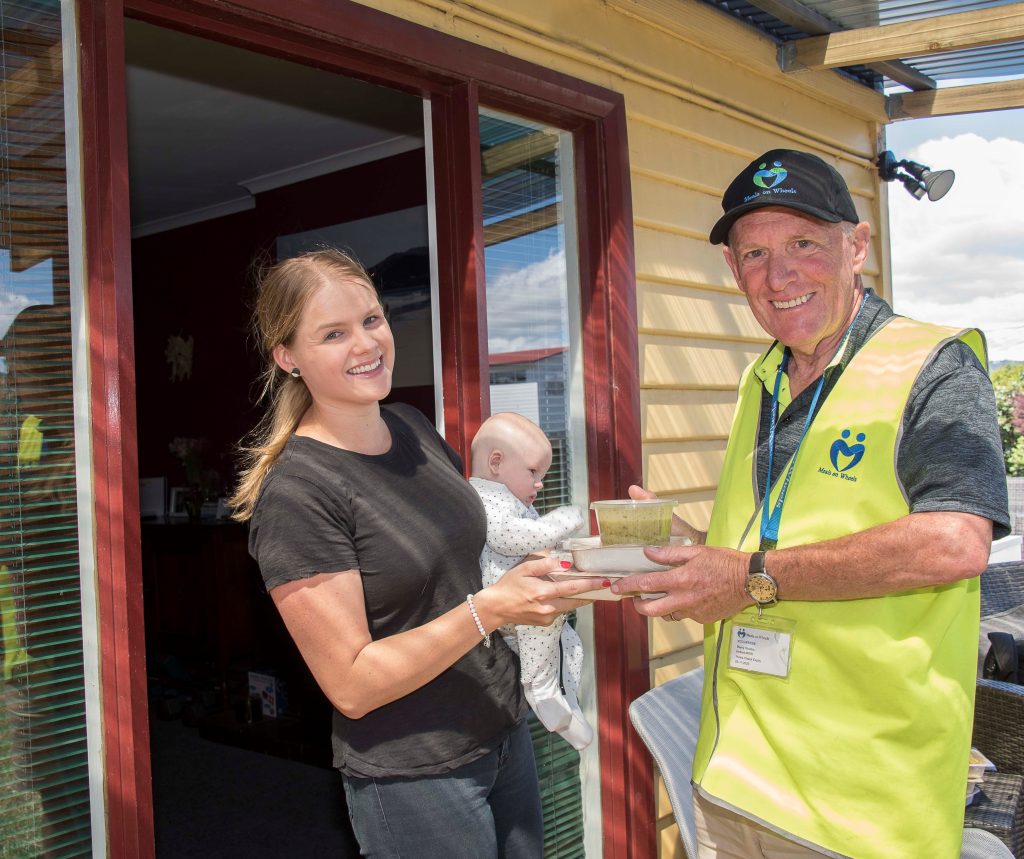
    It’s an organisation that almost everyone has heard of, yet the true depth of its impact on the Tasmanian food ecosystem often goes unseen. Meals on Wheels Tasmania is far more than a food drop-off service; it is a vital network of care that supports Tasmanians to live independently, safely, and healthily at home for longer. By combining seasonal, nutritious meals with essential wellbeing checks and a friendly smile, their statewide network delivers both physical nourishment and vital social connection. We spoke with Bronte Rowe, from Meals on Wheels Tasmania, to discuss the logistics of supporting thousands of clients across our state, the power of their 700-strong volunteer workforce, and why a simple meal delivery remains one of our most effective forms of preventative, community care.

    It seems like everybody has heard of Meals on Wheels, but what is your core mission?
    Our core mission is to support people to live independently at home for longer by providing nutritious meals, social connection, and regular wellbeing checks. Here in Tasmania, we supported 2,693 clients last year to do exactly that.

    When we talk about the ‘food eco-system’ in Tasmania, where does Meals on Wheels fit in? Is it emergency food relief?
    We provide an ongoing, reliable service for people who can’t easily prepare meals themselves. While we’re not classified as an emergency food service, we do recognise that people experience hardship, and we have provisions in place, such as a hardship fund, to support individuals during difficult times.

    When people think of Meals on Wheels, they focus on the food. What are the meals actually like and is it just a food drop-off service?
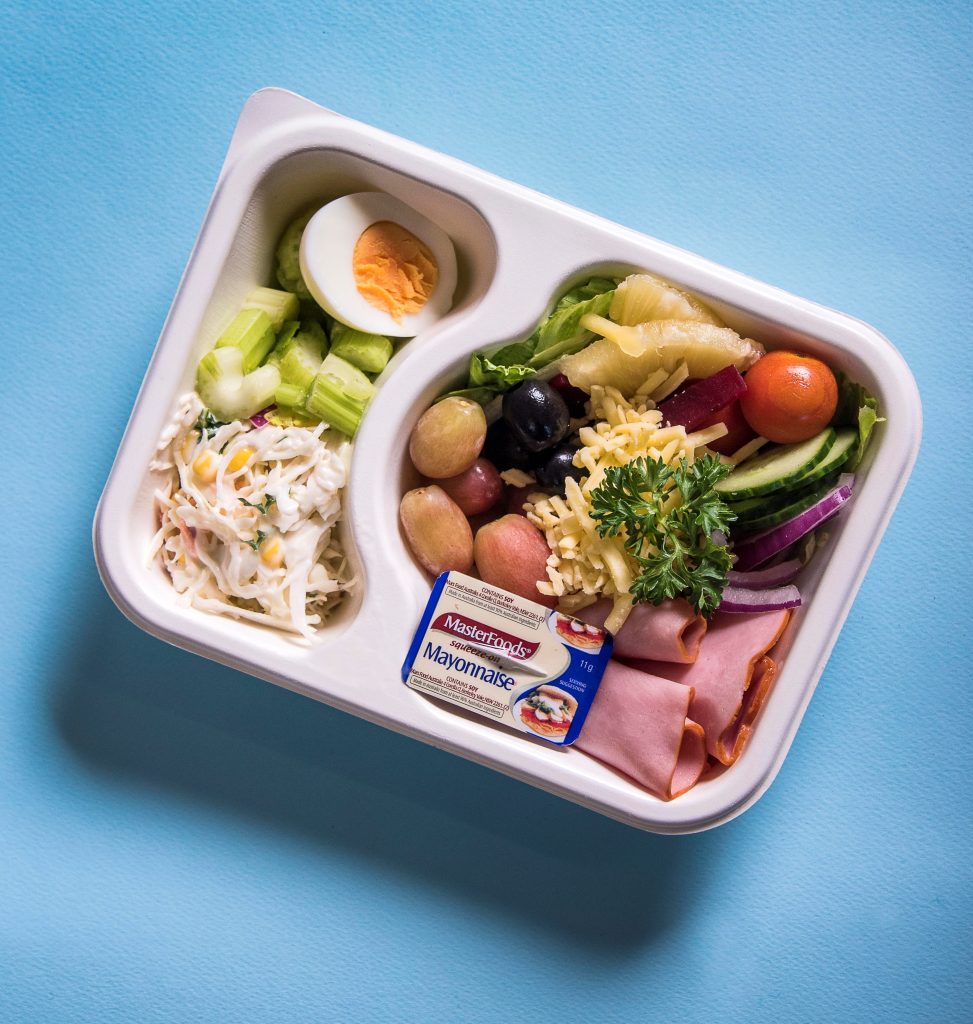
    Our meals are nutritious, varied, and designed to meet dietary and textural needs, but the service is about more than food; last year alone, we delivered 35,754 soups, 95,327 desserts, 31,629 sandwiches and 252,541 mains. But it’s more than just a meal, it’s also a regular check-in and friendly connection.

    Where does the food come from? How does it support our local producers and Tassie seasonality?
    We work with trusted suppliers and try to source locally wherever we can. Our menus are designed to reflect what’s in season, and we’re always keen to partner with Tasmanian producers when the opportunity comes up.

    An organisation like yours must rely heavily on the community – how many volunteers do you have? How can people volunteer and what’s involved – do volunteers need a special vehicle?
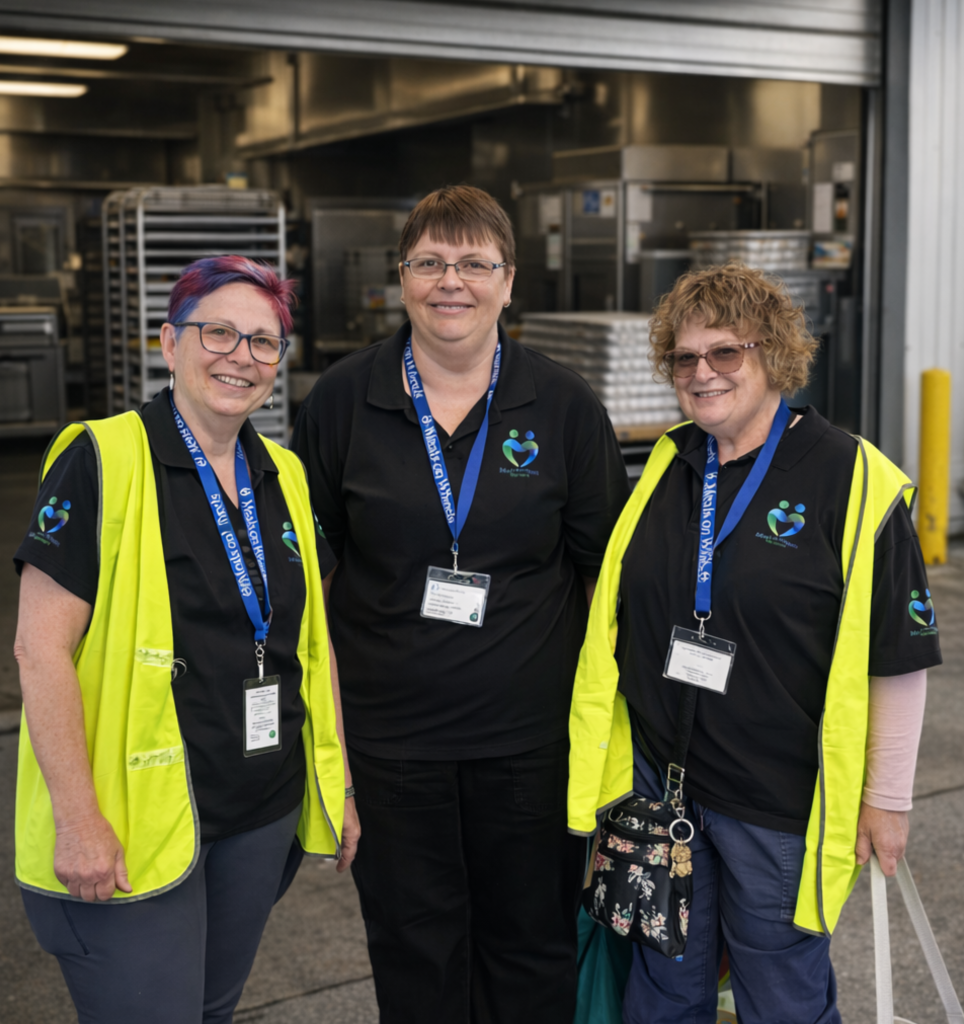
    We rely on a strong volunteer network to deliver meals and provide that important social connection. Before COVID, we had over 900 volunteers. Today, we have just over 700 supporting deliveries across 15 branches statewide.
    Volunteers use their own vehicles and receive a fuel contribution, with most meal runs taking place in the morning so clients can choose to enjoy their meal at lunchtime or for dinner.
    We are always looking for more volunteers, with the goal of building a flexible team so people can contribute in a way that suits them, even if that is just once a month.

    Tasmania has a highly decentralised population. What are the specific challenges of delivering this service to regional and rural communities?
    While Tasmania’s geography presents very real challenges, it also drives us to innovate by creating collaborative, regionally tailored solutions that extend our reach to those who need us most.
    Today, we deliver meals across a vast footprint, from as far north-west as Smithton to the East Coast and down through the Huon Valley. This reach is made possible by the dedication of our volunteers, who help us maintain strong and reliable coverage across diverse communities.
    However, we know there is more to do.
    We are always seeking partnerships with organisations that share our commitment to community wellbeing, and who can help us bridge the final gaps into more remote areas, such as Bruny Island. Through collaboration with refrigerated transport providers and local networks, we are working to realise a long-held goal: delivering essential meals safely and consistently to island communities.

    Can anyone across the state access the service?
    Aged care funding in Australia is transitioning, notably with the rollout of the Support at Home program. How is Meals on Wheels navigating this?
    I think any aged care provider will tell you the transition to the new Aged Care Act hasn’t been without its challenges. The intent is strong and aligns with what we do, helping people stay well at home through a more consistent, rights-based system.
    At the same time, it has brought increased admin and compliance requirements, and some participants are finding the new pricing and co-contributions confusing. We’re responding by focusing on clear communication and support, so people can understand their options and continue accessing essential meals.
    By working closely with government and sector partners, we’re helping shape practical solutions and reinforcing the role of meal services as a key part of preventative, community care.
    At the end of the day, our focus is simple: making sure Tasmanians can access timely, affordable support to stay healthy, independent, and connected at home.

    How can someone find out if they are eligible, and how do they access the service if they need it?
    To enquire for yourself or on behalf of someone else you can contact us on 1800 696 325 or visit our website www.mowtas.org.au/get-support/meals. Not sure if you qualify for government-subsidised funding? Call My Aged Care on 1800 200 422 and request a referral code for Meals on Wheels.

    Subsidised options are available for eligible clients through government-funded programs, including:

    • Self-managed NDIS participants with meal support included in their plan (Meals on Wheels Tasmania is not an NDIS-registered provider)
    • Eligibility and pricing vary depending on the program, but all services are designed to support people to remain living independently at home.
    • Older Australians (generally over 65, or over 50 for Aboriginal or Torres Strait Islander people) through My Aged Care programs such as CHSP or Support at Home.
    • People under 65 who require support due to disability or health conditions through the HACC program
    • Individuals transitioning from hospital through a Transition Care Package (TCP)

    Are there any individuals or businesses you would like to give a shout out to?
    We’re incredibly grateful to our volunteers, community partners, and local suppliers who make it possible to deliver this service every day.
    We would also like to give a special thank you to our corporate sponsors: Ricoh, Urban Energy Electrical Contractors, Seafood and Maritime Training, Titane Windows & Doors, Headlam Howlett Excavations and Mobility4all.

    What is your favourite fruit and your favourite vegetable?
    If I had to pick just one fruit and one vegetable, I’d keep it simple with an apple and a potato. Not the most exotic choices, but both are incredibly versatile, dependable and Tasmania is known for producing some of the best of both.

    The Wrap
    Meals on Wheels support people to live independently at home for longer by providing nutritious meals, social connection, and regular wellbeing checks.
    Where: Find your local service
    More info: Meals on Wheels Tasmania
    Contact Bronte to discuss ways to partner: bronte.rowe@mowtas.org.au

  • What’s on in Winter?

    What’s on in Winter?

    Your Seasonal Events Guide.

    As winter takes hold across the island it’s time to embrace the chill and relish the dark. Tasmania, there’s a seasonal event near you. Find cooking classes, crop-swaps, produce markets and more.

    June

    Tuesday 2 – Mapping the Movement Australia’s Community Gardens Revealed (Online) – a webinar with researchers from Griffith University as they share early insights from an exciting national project mapping community gardens across the country. 

    Friday 29 May – Sunday 7 June – Fungi The Festival (Various locations, North & North East) – Mushroom foraging, workshops, fungi-inspired dining and sustainability-focused events celebrating ecology, food and creativity.

    Saturday 6 – Taroona Crop Swap #41 (Taroona, South)

    Saturday 6 – Learn the Craft of Fresh Cheesemaking @ FermnthHQ (Legana, North)

    Wednesday 10 – Understanding the Insect Apocalypse (Online + Sandy Bay, South) – Island of Ideas, a series of FREE public talks from UTAS, designed to ignite conversation and curiosity across our community.

    Thursday 11 – Monday 22 – Dark Mofo + Winter Feast (Hobart, South) – Tasmania’s midwinter festival featuring food, art, music, ritual and large-scale cultural events.

    Saturday 13 – Harvest Launceston (Launceston, North) – Weekly community farmers market highlighting seasonal Tasmanian produce, makers and growers.

    Sunday 14 – Farm Gate Market (Hobart, South) – Local growers, artisan producers and ready-to-eat food in the heart of Hobart.

    Monday 15 – Thursday 18 – Hospitality Bootcamp #4 (Huonville, South) – a fee-free Hospitality Bootcamp, proudly delivered by Southern Employment and Training Network in partnership with TasTAFE and Select Safety.

    Thursday 18 – Sunday 21 – Light up the West (various locations, West Coast) – Immerse yourself in food, live music, storytelling, bustling markets, invigorating winter solstice plunges, and more across the region.

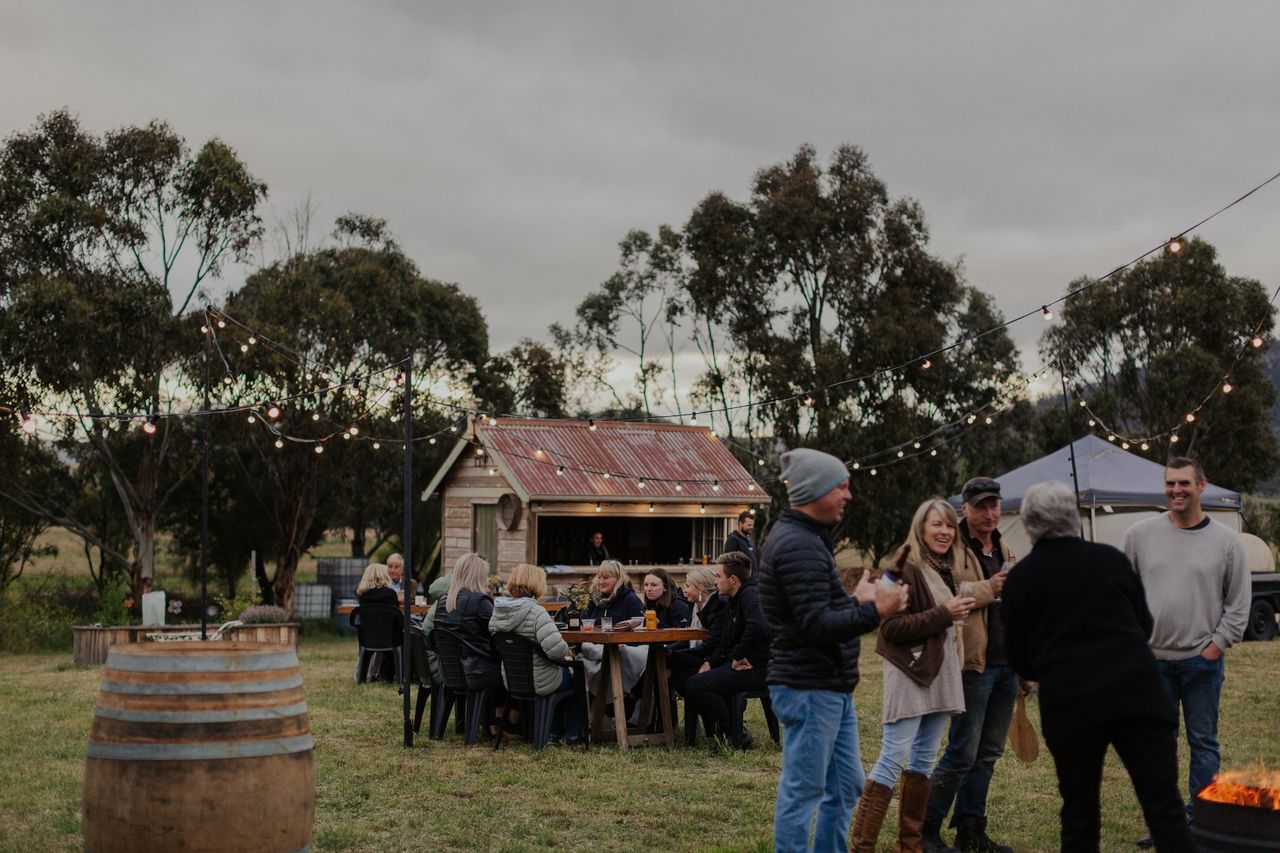
    Friday 19 – Winter Solstice Night Market (Grove, South) – Wander through the glowing stalls, enjoy live music and fireside vibes at Willie Smiths Apple Shed.

    Sunday 21 – Garden and Gossip (Lower Snug, South) – a volunteer community gardening session at Earthenry Flower Farm.

    Wednesday 24 – Bark Canoes and Huts with Dean Greeno (Inveresk, North) – A FREE community event open to everyone and offering a chance to take part in hands-on crafting activities while learning about Aboriginal culture and storytelling.

    Wednesday 24 – Dude’s Day (East Devonport) – Free lunch and optional Health PitStop at East Devonport Community House.

    Thursday 25 – Juices, smoothies and mocktails (ages 12 – 20) (Kingston, South) – Learn how to make a delicious range of fresh and tasty drinks.

    Saturday 27 June – Saturday 25 July (daily) – Bicheno Beams (Bicheno, East) – A family-friendly light show.

    Saturday 27 – Fire, Food, Winter Frivolity (Launceston, North) – A celebration of bold winter flavours and smoky aromas, set against the backdrop of the Tamar River/kanamaluka.

    Sunday 28 – Bream Creek Farmers Market (Bream Creek, South East) – Regional farmers market featuring fresh produce, preserves, baked goods and local makers.

    Various Dates: June, July, August – Winter Warmer Truffle Hunts + Tours (Deloraine, North West) – Join the truffle dogs on a hunt for rare black truffles, followed by an afternoon delight to warm your heart and hands amongst the truffle trees.

    Various Date: June, July, August – You Can Never Have too Much Butter (Longford, North) – Make our own butter using Ashgrove Fresh Cream.

    Monday 25 May 2026 – Monday 13 July 2026 – Music for Minis (Launceston, North) – a FREE music class series for babies, toddlers and their carers.

    Check out the recurring markets and events below

    July

    Wednesday 1 – Wednesday 15 – Permission to Trespass (Various, North West) – opens locked gates to reveal stunning landscapes, rich cultural heritage, and immersive experiences that are usually off-limits.

    Saturday 4 + Sunday 5 – Variety Monster Bookfair (Hobart, South)

    Friday 3 – Sunday 12 – Festival of Voices (Hobart & statewide, Various) – Tasmania’s winter singing festival featuring performances, workshops and environmentally responsible event practices.

    Friday 3 – Sunday 5 – Island Escape Winter Festival (Invermay, North) – Winter food, music and arts festival with Tasmanian produce, fire pits, workshops and regional feasts.

    Saturday 4 – Harvest Launceston (Launceston, North) – Weekly growers market showcasing fresh seasonal produce, local makers and artisan food.

    Sunday 5 – Farm Gate Market (Hobart, South) – Weekly growers Market and food producers in the heart of Hobart.

    Friday 10 – Killara Distillery Friday Night Festivities (Richmond, South) – unwind with great company live music and local food.

    Saturday 11 – Tasmanian Produce Market (Bellerive, South) – Weekly market with local produce, small-batch drinks and artisan stalls overlooking Kangaroo Bay.

    Thursday 19 – Community Lunch @ Burnie Community House (Burnie, North West)

    Friday 17 – Sunday 19 – Lightwave Festival (Nubeena & Tasman Peninsula, South East) – Community winter festival with light installations, food vans, orchard events and local produce experiences.

    Saturday 18 – Sunday 19 – Tasmanian Made Winter Market (Hobart, South) – Handmade artisan market at PW1 featuring Tasmanian makers, food and local products.

    Thursday 23 – Sunday 26 – Devonport Jazz (Devonport, North West) – Winter jazz festival with local food, drinks and cosy community venues across the city.

    Sunday 26 – World Street Eats (Launceston, North) – International street food and community market celebrating local Tasmanian ingredients.

    Check out the recurring markets and events below

    August

    Saturday 1 – TEDx Hobart (Hobart, South)

    Sunday 2 – The Tassie Scallop Fiesta (Bridport, North East) – Celebrating fishing and maritime heritage, with fine local Tassie fare and beverages, Music and Chef demonstrations, kids entertainment and more.

    Thursday 6 – Nipaluna Nursery Weekly Working Bee (New Town, South) – Community gardening and native plant volunteering event.

    Thursday 6 – Monday 17 – Beaker Street Festival (Hobart & statewide, Various) – Science, sustainability, food, culture and community events exploring climate, ecology and the future through immersive experiences and conversations.

    Saturday 8 + Sunday 9 – Heritage and Bullock Festival Oatlands (Oatlands, Midlands) – A nostalgic celebration of rural heritage featuring live bullock team demonstrations, traditional trades, artisan stalls, vintage machinery and a vibrant community street parade.

    Sunday 9th – Chocolate Winerfest (Latrobe, North West) – An event to indulge, inform, astound, amuse but above all celebrate chocolate as you escape from the bleakness of winter.

    Saturday 15 – Festival of Bright Ideas (Hobart, South) – a festival with a difference, where you can experience a range of activities and exhibits that whiz, bang, fly, crawl, swim, and maybe even explode!

    Sunday 16 – Triabunna Village Community Market (Triabunna, East Coast) – Community market with fresh vegetables, seasonal plants, preserves, pizzas, crafts and local produce.

    Thursday 20 – FarmX Tasmania Agriculture Conference (Deloraine, North) – Sustainability, innovation and future-focused farming conference featuring workshops, exhibitors and agricultural leaders.

    Saturday 22 – Salamanca Market (Hobart, South) – Tasmania’s best-known market with food, produce and local makers.

    Saturday 22 – Great Lake Hotel Dark Sky Exploration (Miena, Central Highlands) – Dark Sky is a guided viewing experience exploring the makeup of the night sky, its astronomical bodies, and the sky above Tasmania’s Central Highlands.

    Sunday 23 – Westella Trangia Champion (Rowella, North) – The ultimate camp cook-off.


    Ongoing events

    Fridays

    Street Eats @ Franko (Hobart, South) – Seasonal (runs through March).

    Devonport Twilight Market (Devonport, North West) – 1st Friday monthly

    Saturdays

    Harvest Launceston (Launceston, North)

    Salamanca Market (Hobart, South)

    Tasmanian Produce Market (Kangaroo Bay, South)

    Willie Smith’s Artisan Market (Huon Valley, South)

    St Helens Market (St Helens, East Coast)

    Burnie City Market (Burnie, North West) – Every 1st and 3rd Saturday

    Wilmot Country Market (Wilmot, North West) – Every 1st Saturday

    Sundays

    Farm Gate Market (Hobart, South)

    Penguin Market (Penguin, North West)

    Evandale Market (Evandale, North)

    Sorell Market (Sorell, South East)

    Richmond Village Market (Richmond, South East)

    Oatlands Community Market (Oatlands, Midlands) – Every 1st Sunday

    Bream Creek Farmers Market (Bream Creek, South East) – Every 1st Sunday

    Derwent Valley Community Market (New Norfolk, South) – Every 3rd Sunday

    Ross Village Market (Ross, Midlands) – Every 3rd Sunday

  • R&R Smith’s Journey from 1888 to the Southern Bliss

    R&R Smith’s Journey from 1888 to the Southern Bliss

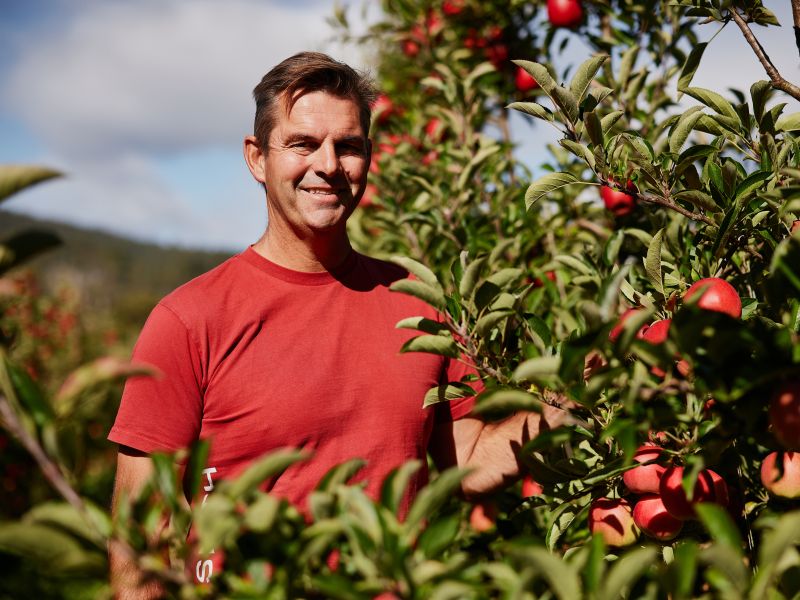
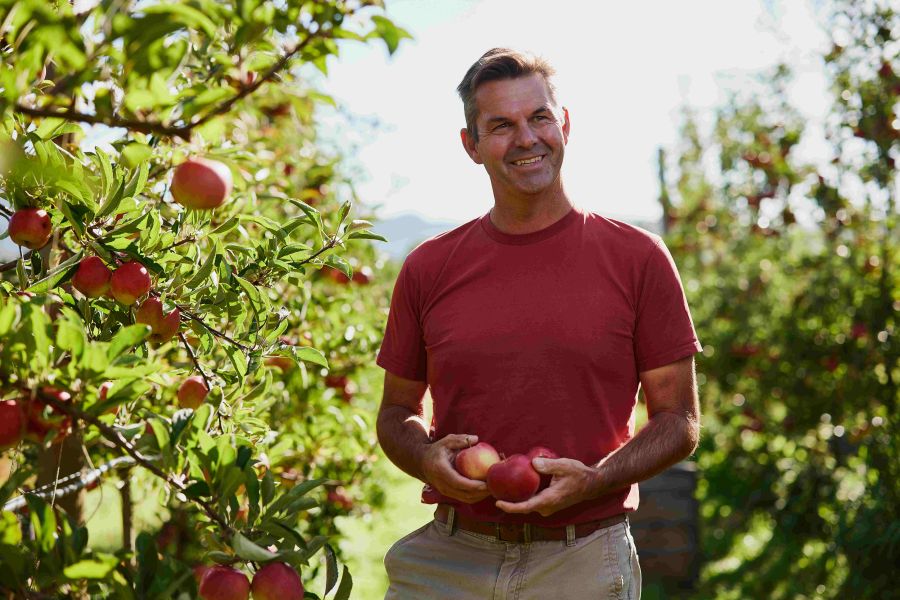
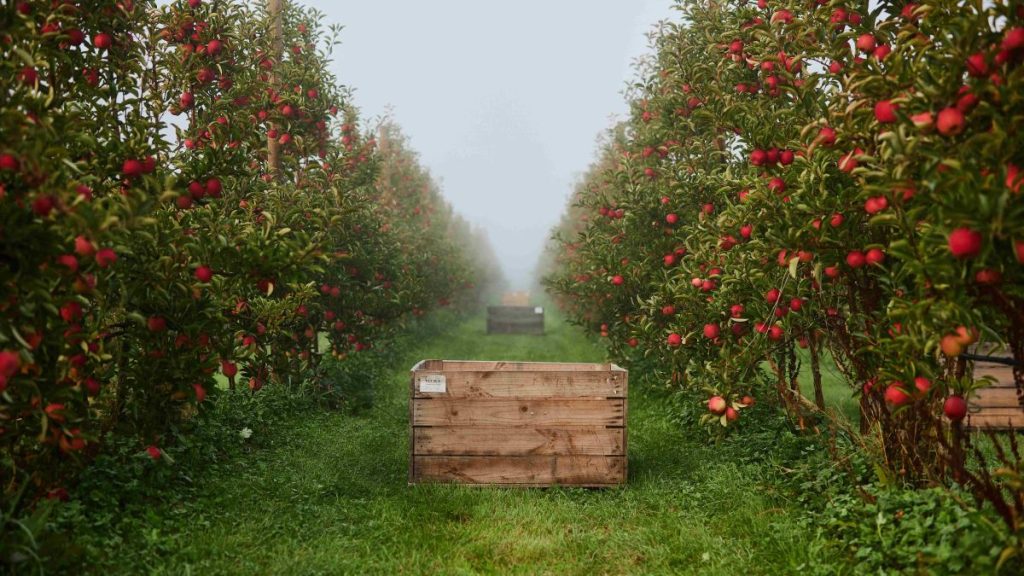
    In the heart of the Huon Valley, the Smith family has been working the land for over 135 years. Today, Andrew Smith continues the legacy of R&R Smith, balancing history with a forward-focused approach to organic orcharding. We sat down with Andrew to talk about the business, the community, and the new star of their orchard: the Southern Bliss apple.

    R&R Smith has been growing apples in the Huon Valley since 1888. How does it feel to lead a fourth-generation family business into a new era of Tasmanian orcharding?
    To be honest, when you’re in the trenches doing the daily work, you don’t always feel the weight of those generations in the way people might imagine. It’s less about the romance and more about keeping the legacy alive by staying relevant. We’re constantly adapting to an ever-changing market and change is the only real constant here. We’re just focused on keeping the business sustainable and competitive.

    In 1998, R&R Smith made the bold move to go organic long before it was a mainstream trend. What was the driving force behind that decision?
    It was born out of necessity, really. It was clear that to survive as a grower against global competition and the logistical challenges of being here in Tasmania, we had to differentiate ourselves. But there was also an altruistic side to it. I wasn’t comfortable with the inputs we were using, like glyphosate. I wanted a safer environment for our staff and myself. It was a move toward lower inputs, both for the health of our people and for the long-term viability of the farm.

    Let’s talk about the star of the show: Southern Bliss. For those who haven’t tried one yet, how would you describe the flavour profile?
    It’s truly unique. It’s a cross between a Golden Delicious and an unnamed, non-commercialised variety (we’re not gatekeeping – it just has no name!). It’s got that lovely Golden Delicious tang, but with a high sugar content. The magic is that it doesn’t taste ‘sugary’ or overly sweet; it’s beautifully balanced. It’s sweeter than a Gala, but less acidic than a Pink Lady, and it has an incredible crunch that stays crisp for weeks in the fridge.

    Southern Bliss is known as a “club variety.” Can you explain what that means for the consumer and why it was chosen specifically for the Tasmanian climate?
    Essentially, it’s about exclusivity and quality control. We discovered this apple in a trial site, went to the owners in Belgium, and secured the commercial license for Australia. Being a club variety means we manage the royalties and the way the trees are grown. It allows us to ensure the quality remains high. It’s only us growing it at the moment, which keeps the focus entirely on that Tasmanian-grown standard.

    The Southern Bliss website mentions it’s the “go-to apple for every snack, lunchbox, and picnic.” What makes it so resilient for a busy family’s bag?
    It’s down to that texture. It’s big, juicy, and remarkably crisp. Because it stores so well without softening, it’s perfect for a busy household – it doesn’t bruise as easily as some others, and it holds its freshness until you’re ready to eat it.

    As organic growers, you deal with the elements daily. What are some of the biggest rewards of growing Southern Bliss using organic methods?
    Southern Bliss is a joy to grow organically because it’s low-input. It has some natural disease resistance in its genetics, which makes it much easier to manage than varieties like Pink Lady or Gala, which can be very demanding in an organic system. Plus, it produces a great tonnage per hectare, so it’s a win-win for both the grower and the environment.

    The Huon Valley has seen many changes over the last century. How important is the local community to the R&R Smith story?
    Our business is our community. Everything we do is intertwined with the people here – we employ locals, our kids grow up together, and we share meals. That’s just life in the Valley. The community is the backbone of the opportunities we have; it’s where everything starts.

    For the home cooks out there, does Southern Bliss hold up in the kitchen, or is it best enjoyed fresh?
    It definitely holds up. We have a bit of a famous apple pie here at our Willie Smiths Apple Shed (our cider cellar door), and 90 percent of the time, we’re using Southern Bliss. It performs beautifully under heat and receives rave reviews!

    With harvesting just completed, when is the absolute “peak” time for someone to grab a bag of Southern Bliss?
    It’s an apple that benefits from a little time in the cool store – the flavour profile really evolves. While they’re great when picked, I think the absolute peak is June, July, and August. It’s the perfect time of year, too, when there isn’t much other summer fruit around. It’s a great way to keep enjoying fresh produce through the winter.

    Finally, what’s your (second!) favourite fruit and your favourite veg?
    It has to be seedless grapes. I honestly can’t get enough of them! As for my favorite vegetable, it’s potatoes – no contest. I have a running joke at home that I could eat mashed, roasted, and chips all on the same plate and be perfectly happy.


    Where to Shop
    Look for their organic fruit at Tasmanian retailers (Hill Street Grocer, Salamanca Fresh, Eumarrah Hobart and Launceston), independent wholefoods stores, Woolworths Supermarkets under the Macro Organic label in the organic section, and the Willie Smith’s Apple Shed.

  • Partner Spotlight: Supporting Student Success with the TUSA Food Hub

    Partner Spotlight: Supporting Student Success with the TUSA Food Hub

    Interview with Kim White, TUSA’s Sustain & Support Manager

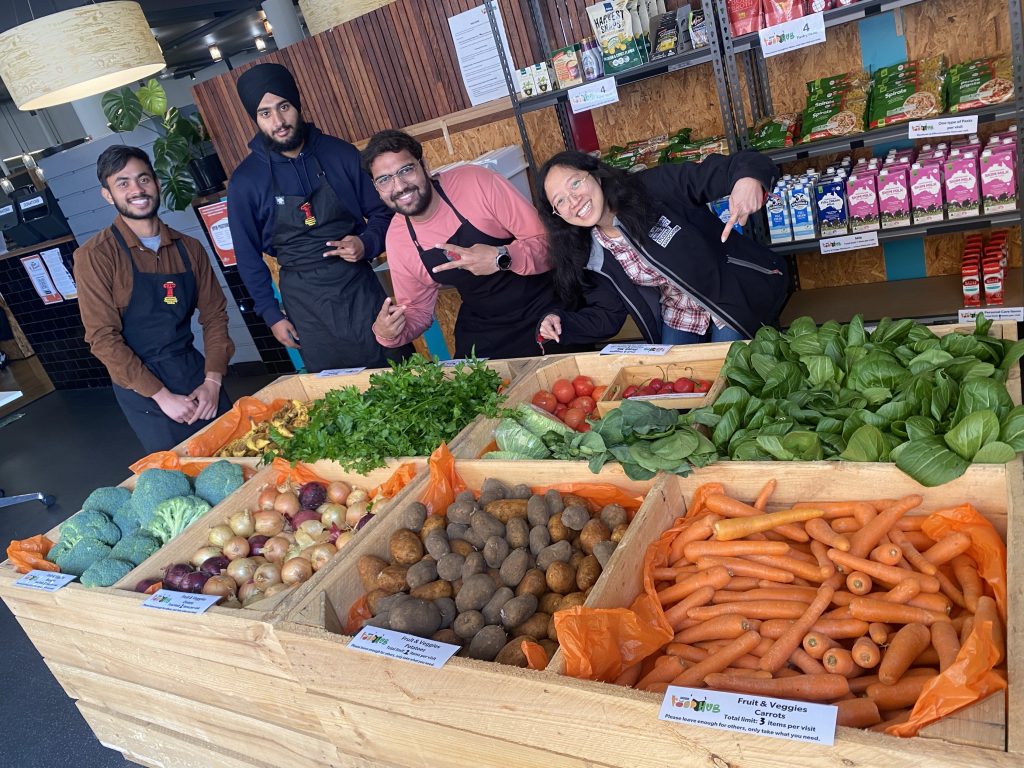
    Food insecurity on campus is a growing challenge, but the Tasmanian University Student Association (TUSA) is meeting it head-on. We sat down with Kim White, TUSA’s Sustain & Support Manager, to discuss how their TUSA Food Hubs have evolved from a simple veggie bag scheme into a statewide network offering essential relief for UTAS students.

    Tell us, what is the TUSA food Hub, who operates it and how did the TUSA food hub come about?

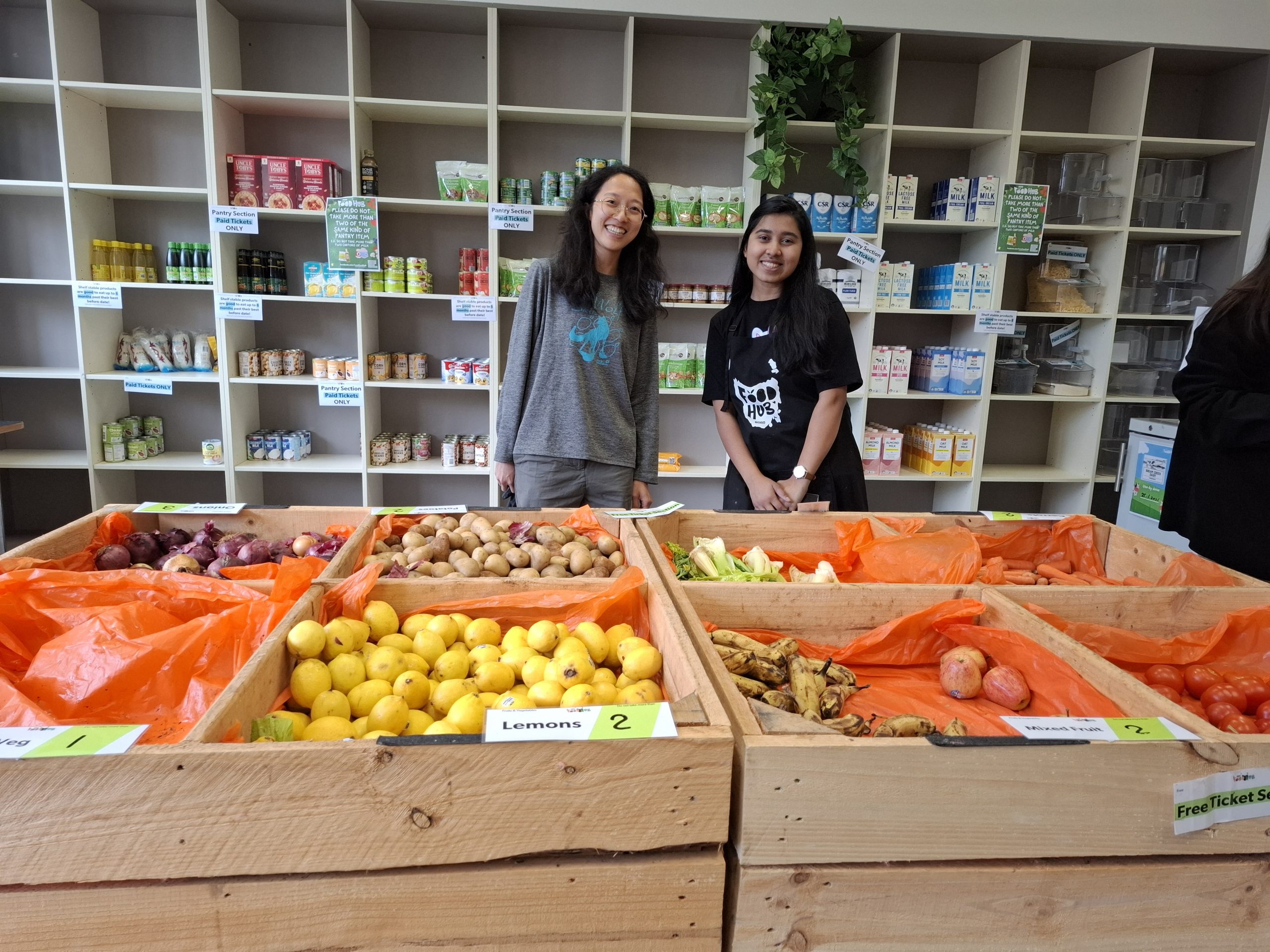
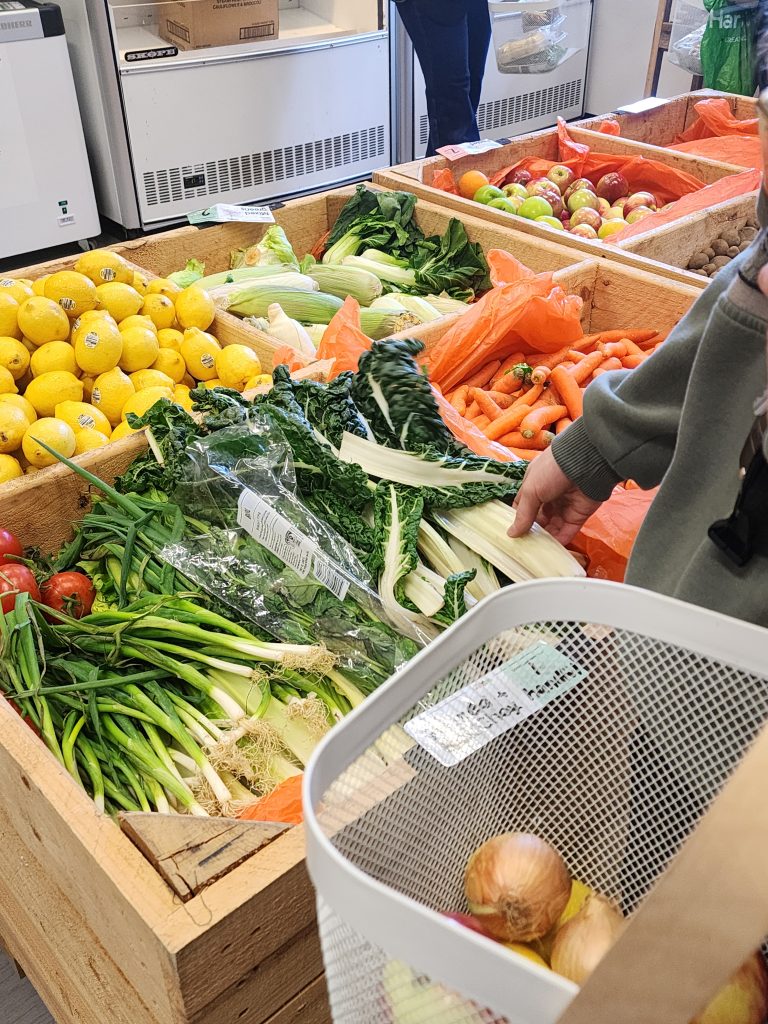
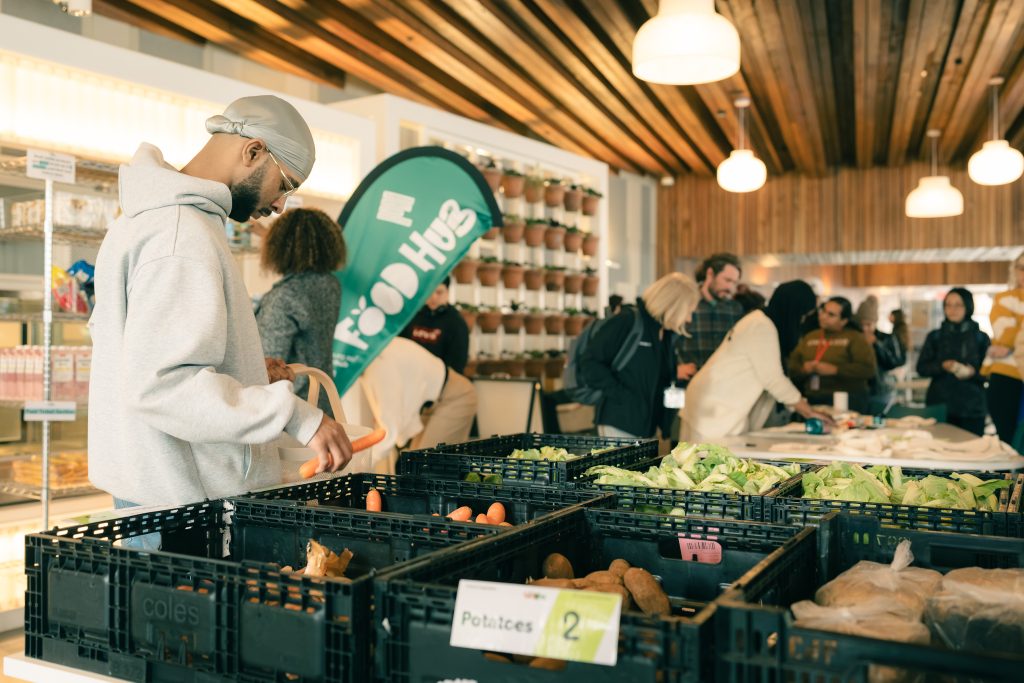
    It’s a free and affordable food service for all UTAS students. We offer different tiers depending on what a student can afford. They can always access free fruit, veggies, bread, and frozen meals donated by our wonderful partners (full list on our website). Then, they can “add on” pantry items for just a dollar each – we subsidize these so students can walk away with a bag of affordable groceries. It’s a statewide operation – including our campus in Rozelle, NSW – run by me and our wonderful Food Hub officers: Shan-Yu in the South, Maddie in the North, Cathy in the Northwest, and Thierry in Rozelle. And then we have our incredible team of student volunteers we couldn’t do without.

    The 2024 Food insecurity survey data shows that over 50% of UTAS students identify as food insecure. What does that look like in reality?

    It ranges from “marginal” insecurity – constantly worrying about how much money is left for food – to “severe” insecurity. We know 29% of students are severely food insecure, meaning they are skipping meals and going hungry multiple times a week. There’s an old “rite of passage” myth that students should just tolerate eating 2-minute noodles, but we’re advocating against that. Food insecurity directly impacts learning, wellbeing, and whether students stay enrolled at university. Students cannot thrive academically when their basic needs are not met. Access to education should not depend on whether a student can afford food.

    The 2024 Year in Review highlighted an increasing reliance on Food Hubs across our campuses. How has TUSA evolved its support systems to meet this growing need while ensuring students still feel empowered and supported?”

    Our Food Hub pilot first commenced on the Sandy Bay campus in July 2023, in partnership with Loaves and Fishes. We reached ~5,000 students in 2024. And whilst the pilot was successful, we knew we weren’t reaching UTAS students on other campuses. In response, we worked hard to secure grant funding to expand the Food Hub model statewide and better meet the needs of our growing student community.
    Since then, we’ve significantly expanded the program. We opened the Inveresk Food Hub in Launceston in March 2025, followed by Cradle Coast Food Hub in Burnie, in May. In July, we launched in Hobart City and Rozelle in NSW, ensuring more UTAS students could access support wherever they are studying.
    Alongside expanding access, we’ve also strengthened the wrap-around support available to students. Food Hub visitors can be referred to our Student Advocacy and Student Legal Services, which both provide free and confidential support for students experiencing challenges during their studies. Our Student Advocates can assist with financial support, including grocery vouchers, and work with students to develop practical strategies to navigate difficult situations. Our Student Legal Service also provides advice and support on matters such as tenancy, workplace issues, contracts, consumer rights, family violence, disputes with the University, and criminal charges.
    We’ve also introduced additional food education initiatives, such as cooking classes and gardening workshops. These programs aim to build students’ confidence and practical skills, so they’re not only receiving food support in the moment but also gaining tools that help them feel more empowered and resilient in the long term.
    In 2026, we are opening a Social Enterprise Cafe and Social Supermarket, to continue to meet the demand and also to ensure a sustainable long-term model going forward.

    With Hubs now active from Hobart to the Cradle Coast, how important is it to include fresh, seasonal Tasmanian produce in your weekly offerings?

    In short – it’s super important. Fresh produce is the main thing students tell us they simply can’t afford. We work closely with Loaves and Fishes, and many of their fruits and veggies come from local Tasmanian producers. We also partner with the UTAS Community Gardens, which allows us to include fresh, locally grown produce whenever it’s available. We love when a crop is in season because there’s an abundance for the students, and it gives us a chance to teach them how to cook with that specific produce.

    Beyond the pantry staples, you run “Bubble and Squeak” lunches and cooking classes. How do these help students build confidence?

    Many students move out of home and realise they’ve never really learned to cook. Our weekly classes in Hobart, Launceston, and Burnie help them use the veggies they find at the Hub, but they also offer a social environment. Whether it’s a two-hour cooking class or just stopping by to prep onions for 10 minutes at a community lunch, it’s about meeting people and sharing stories. We’re here for the “fun times” too – Uni isn’t just for study; it’s for connection.

    For the producers and community members reading this, what is the most effective way they can support the TUSA Food Hub – whether through donations, volunteering, or partnerships?

    All of the above! We accept both food and monetary donations, and we’re currently looking for sustainable funding partners. We actually have a prospectus coming out soon for those who want to contribute to the program on a larger scale. Otherwise, volunteering is essential for running all of our Food Hubs – anyone can help, and our volunteers love cooking with students or helping with day-to-day operations of Food Hub, as well as getting to know the students. If you have an idea for a partnership that offers program sustainability, social connection or skill-building, come and chat with us.
    Finally, what is your favourite fruit and what veggie could you not live without?

    Favorite Fruit – I think my favourite fruit would be a strawberry, if it’s in season and really juicy and flavourful.
    Favorite Veggie – The versatile potato!

    The Wrap
    Where: Hobart City, Sandy Bay, Inveresk, Cradle Coast, and Rozelle.
    What’s on Offer: A mix of free and affordable fresh produce, pantry staples, and ready-made meals, alongside free cooking classes and community lunches to help UTas students build skills, feel supported, and stay connected.
    More info: TUSA Food Hub
    Donation Link: My Cause – TUSA Food Hub
    Contact Kim to discuss ways to partner: kimberley.white@utas.edu.au

  • Why Unpacked is the heart of Kingston pantries.

    Why Unpacked is the heart of Kingston pantries.

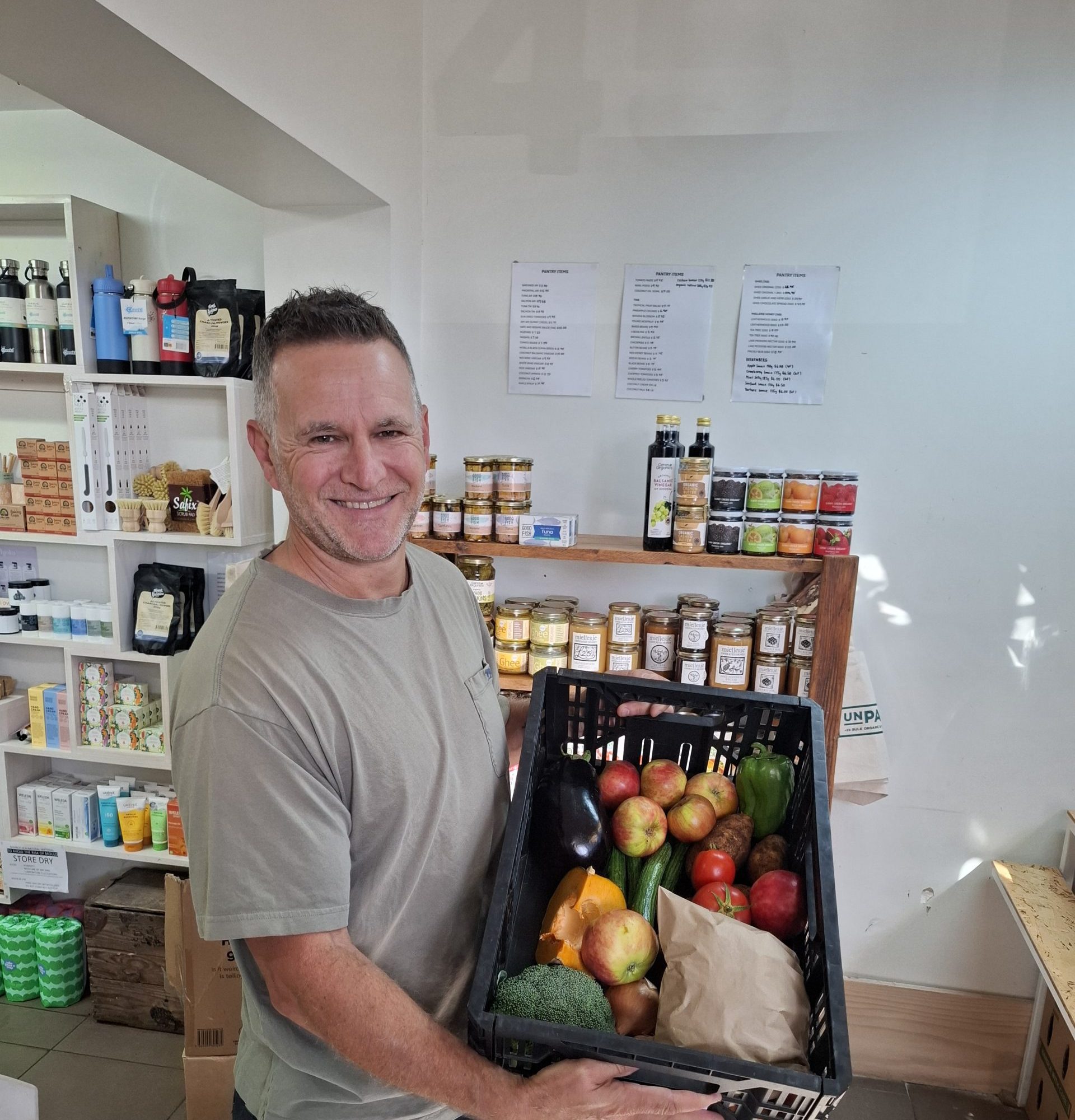
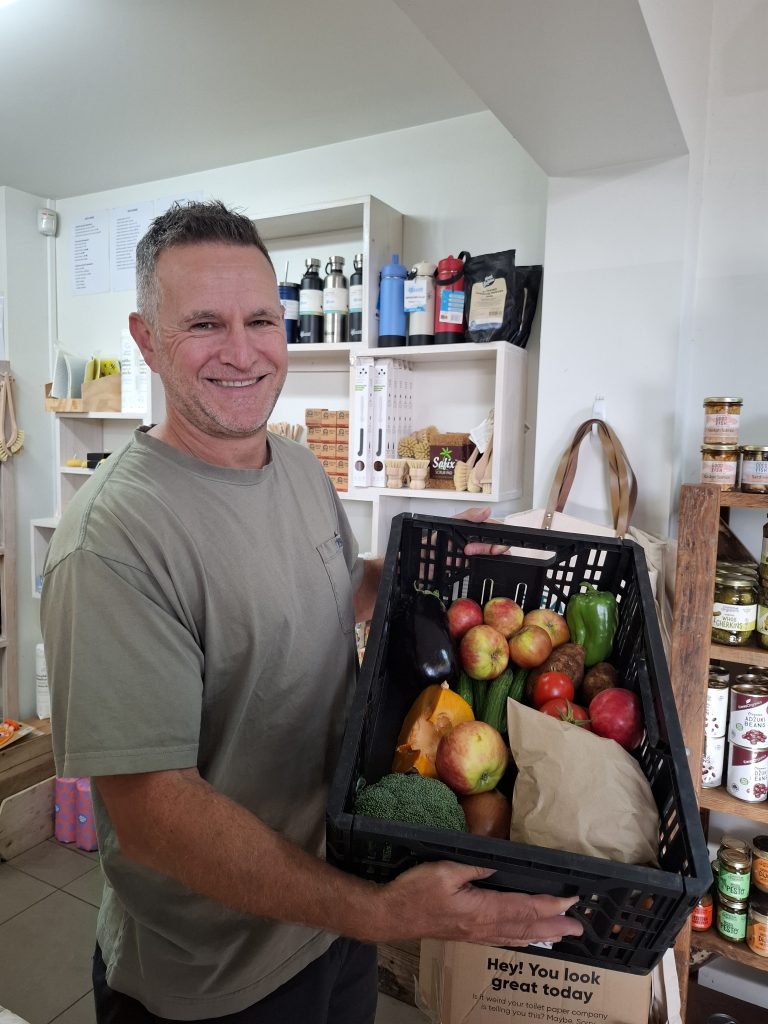
    Stepping into a wholefoods store can sometimes feel a little daunting. But the moment you walk through the doors of Unpacked, the bulk organics and wholefoods store in Kingston, that intimidation simply fades away. Before we even reached the counter, we were greeted with a warm smile and a genuine hello from Hayley. The shop is bright, airy, and smells faintly of fresh spices and coffee—not at all like the clinical, fluorescent-lit aisles of a big-chain supermarket

    We sat down with Josh White, the owner of Unpacked, to chat about the magic of bulk buying and the importance of local food security. Halfway through our conversation, the interview took a brief, delicious pause. The front door swung open for a special delivery: armfuls of beautiful, freshly baked, wood-fired sourdough from Summer Kitchen Bakery in Ranelagh. As the aroma of warm bread filled the room, it was clear that Unpacked isn’t just a shop.

    Here is what Josh had to share about building a resilient, nourished community in the heart of Kingston.

    Unpacked is such a staple in the Kingston community now. Can you take us back to the beginning—how long have you been open, and what was the “lightbulb moment” where you identified the need for a low-waste store here?

    We didn’t actually start the business ourselves, but a friend of ours did! It has been around for about 10 years now. After about six years, the original owner, Anna, decided it was time to move on. We decided to buy it because we didn’t want to risk such a community staple being lost.

    It’s where we always shopped. Our own ethics are all about reducing waste—we have a large family with four children, so we always viewed the business through the lens of: How can we do our entire grocery shop here and go home with zero rubbish to put in the bin? That was the decision behind buying it—it aligns with everything we do at home.

    For someone who hasn’t stepped inside yet, what can they expect? How does shopping here differ from a standard supermarket run?

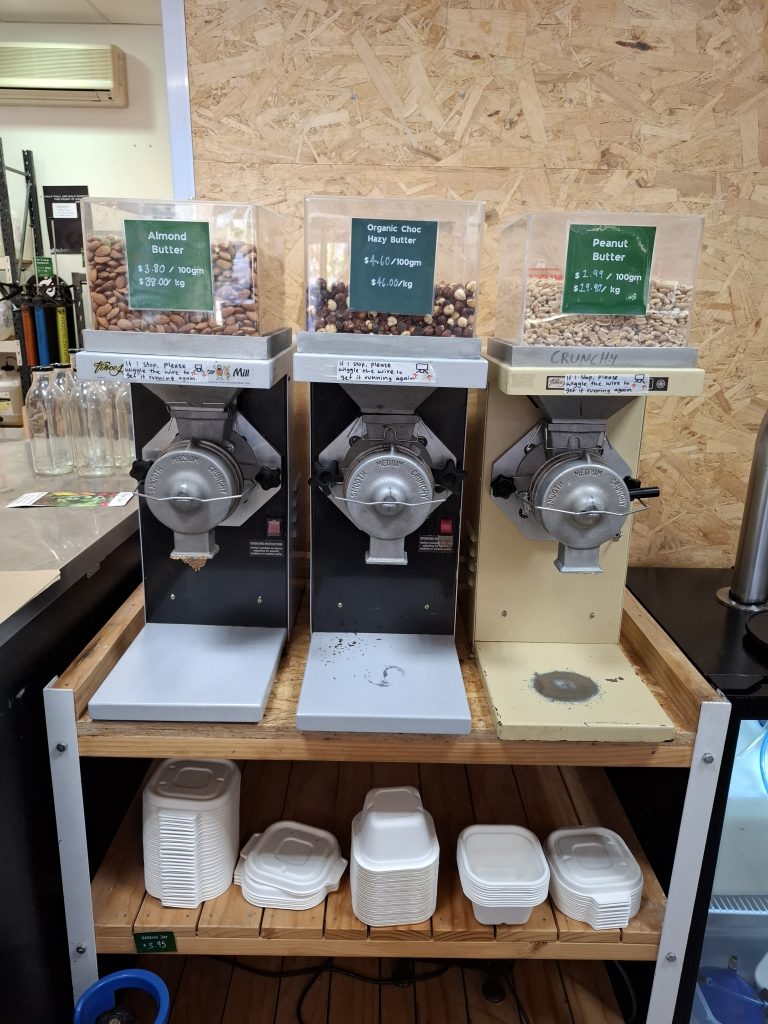
    In terms of the shopping, some people worry they have to bring their own containers, but you don’t! We have biodegradable paper bags for those who need them. We stock everything from the basics—cornflakes, muesli, every kind of flour—to specialty items like mushroom powders, collagen, and even kombucha and milk on tap. We even have peanut butter and almond butter machines!

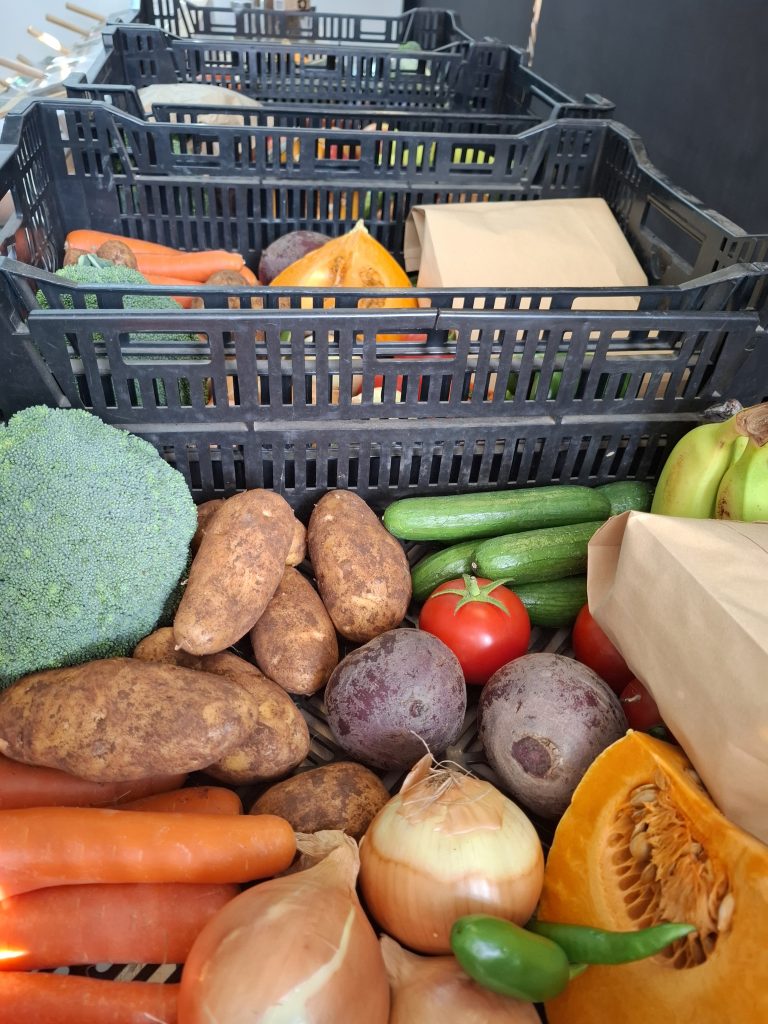
    We love being the conduit between local farmers and the community. We also own the Unpacked VegeBox program, which is packed off-site but collected right here every week or delivered across southern Tasmania.

    The service you recieve from our staff is second to none. We know our customers’ names; it’s a very personal experience and that comes through in the service. My wife, Collette runs all the social media as well as the accounts & bookkeeping. Hayley has a huge hand in running both the Unpacked shop, and the Unpacked VegeBox program along with Staja. And I have to call out all our team who go above and beyond in the shop: Millie, Verity, Olivia, Josie, Alice, Smith, Elsie, and Alex – a huge thank you to everyone that makes Unpacked happen!

    With the cost of living rising, many families are feeling the pinch. How is Unpacked positioned to help Tasmanians stay resilient right now?

    One of the biggest advantages is that you dictate how much you buy. You don’t have to buy a whole pre-packaged box or a kilo bag. If you only need a single teaspoon of a specific spice for a recipe, you can buy exactly a teaspoon. We get a lot of retirees and people on pensions who shop here for that exact reason—they can get exactly what they need without the waste or the extra cost.

    What do you see as your biggest advantage over the big supermarket chains?

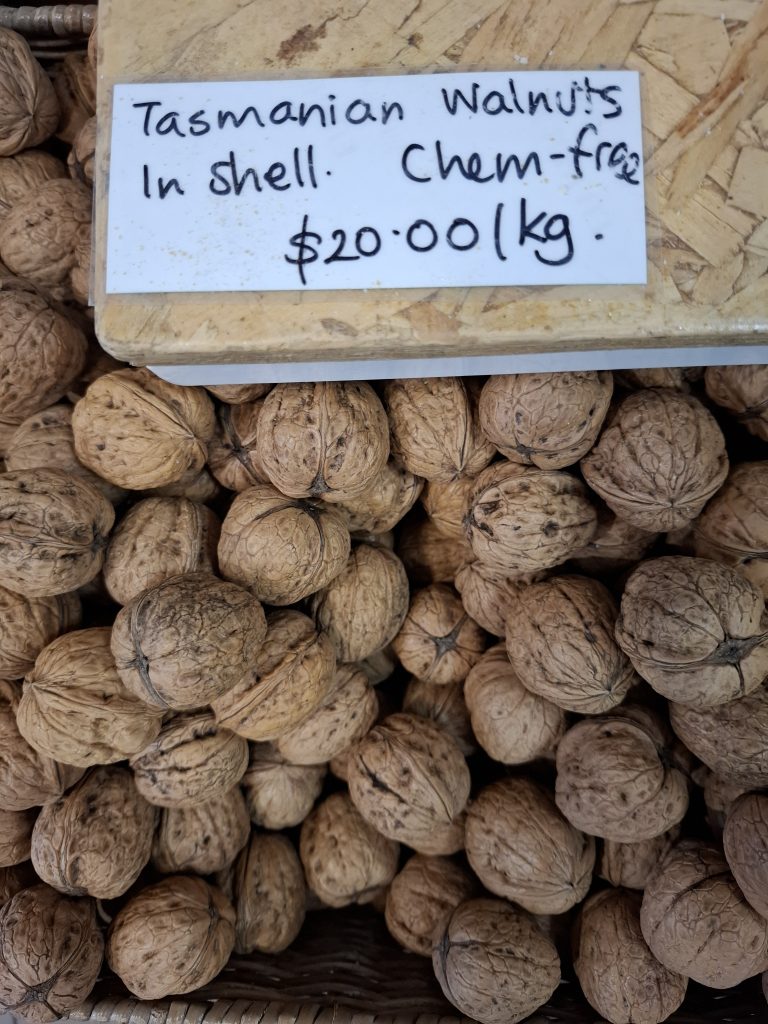
    We have zero automated checkouts! And no inclination to get them anytime soon. It’s about that human connection. Plus, the quality of what we source—I personally go to the farms, look at their procedures, and ensure they aren’t using sprays or chemicals. Most of our growers are certified organic, and being able to vouch for that quality is something you just don’t get at a big chain.

    Advice for the “Wholefood Curious”. If a family wants to start eating more wholefoods but feels overwhelmed, where should they start?

    Just come in and talk to us! Let us show you how easy it is. We actually have quite a few customers with young children who find it a bit tricky to shop with them, so they give us a shopping list. We pack the whole order for them while they take the kids to the park or the library, then they just swing back and pick it up. We’re here to make it work for you.

    Finally, we’re right in the heart of Autumn now. What is your favourite seasonal produce coming through the doors?

    I love fresh blueberry season, though we are right at the tail end of that now—we have about four different organic blueberry farms that supply us. I also love early-season potatoes—Pink Eyes and Kipflers—which Tassie is so famous for. And eggplants! They have a short season, but when they’re organic and local, they’re amazing.


    Where to Shop: Tasmania’s wholefood and organic Stores

    If you aren’t in the Kingston area, there are plenty of incredible “wholefood brothers and sisters” across the state where you can scoop, pour, and shop consciously:

    Next time you’re in Kingston, pop into Unpacked at 45 Channel Highway. Whether you’re after a single teaspoon of cinnamon or a whole box of seasonal veg, you’ll be met with a smile—and maybe even the smell of fresh bread.