Dish Types: Condiments

  • Tom’s Stale Bread, Anchovy and Kefir Yoghurt Dip

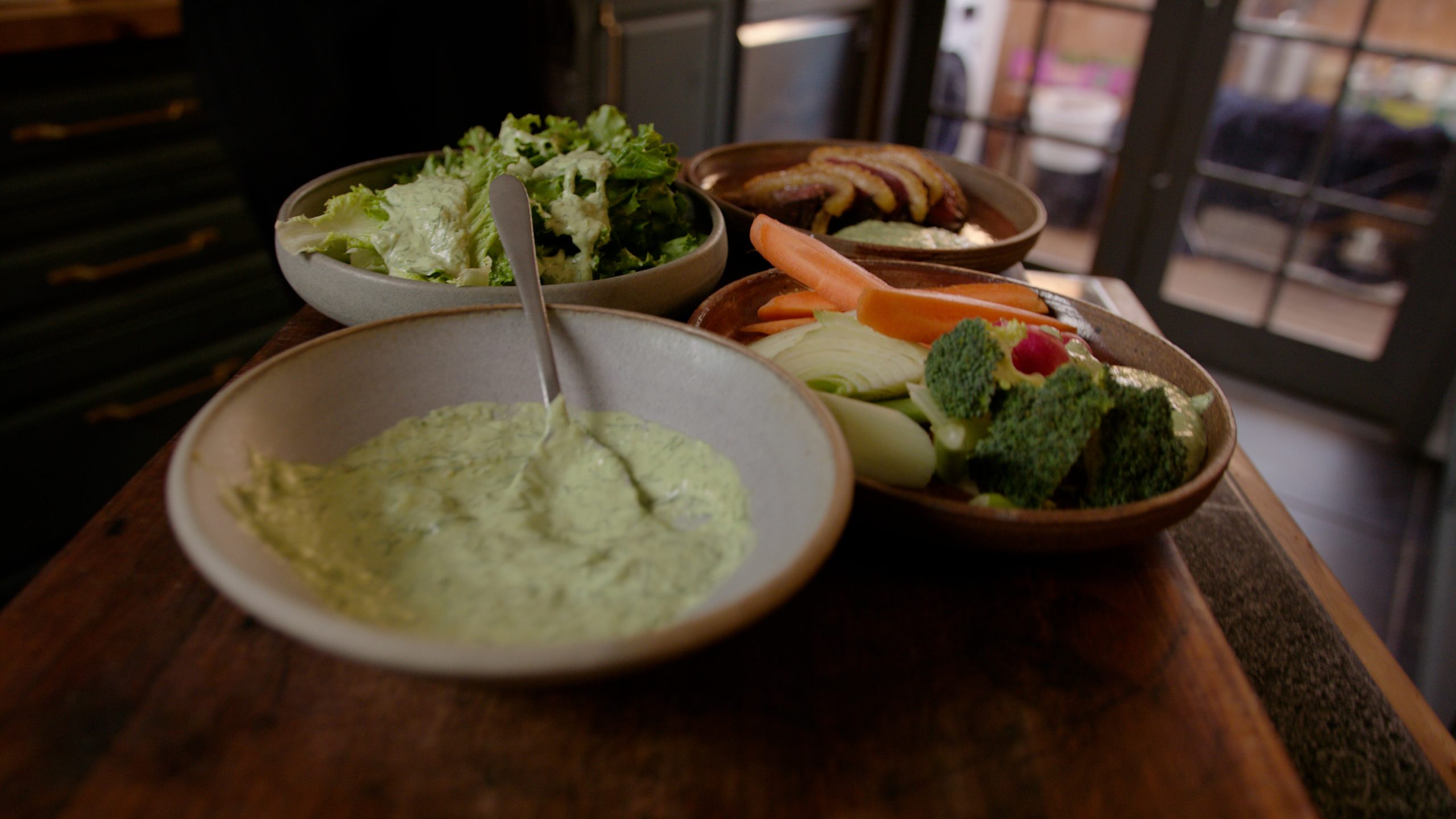
    Tom’s Stale Bread, Anchovy and Kefir Yoghurt Dip

    Dips are the perfect hiding place for old bread. Tom usually makes this dip with cooked and cooled potato, but recommends stale bread as a great substitute for this go-to thick and creamy dip.

    Use this recipe as a guide. If you have more or less stale bread than this recipe suggests, that’s okay—have a play, you can’t mess this one up!

  • Labneh (Yoghurt Cheese)

    Labneh (Yoghurt Cheese)

    Homemade labneh is the perfect place for your out-of date yoghurt. This tangy, thick, creamy yogurt cheese can be used in place of cream cheese, served with fresh veg or spread in sandwiches.

  • Ainstie & Kirsten’s Pickle Recipe

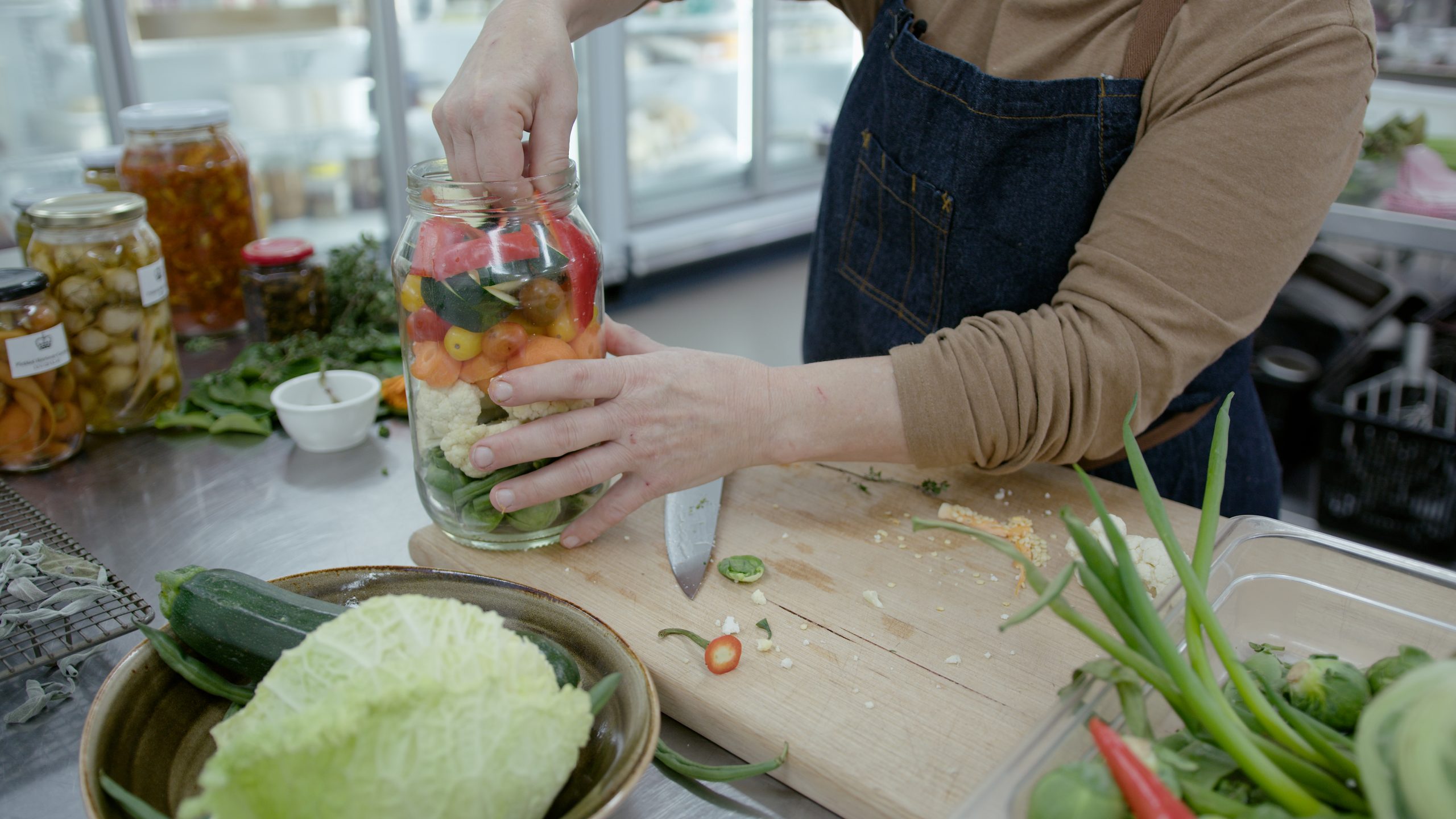
    Ainstie & Kirsten’s Pickle Recipe

    What’s the difference between a hot and cold pickle brine?

    Pickling is the process of transforming and preserving ingredients with acids (and, often, salt).

    Cold brining can be done with either vinegar or salt. Cold brines are useful if you’re looking to preserve the texture and crunch of a vegetable. Vegetables and fruits such as pears, radishes and most herbs work well in a cold brine.

    Hot brining uses hot vinegar to add acidity and partially cook the ingredients. A hot brine is something you use to cook dense vegetables or pungent aromatics. The temperature can bring out flavours, which leach into the brine. We recommend using a hot brine to pickle opaque vegetables or spices such as root vegetables, root veg and garlic.

    Which brine is best to pickle vegetable scraps?

    The varieties are endless when it comes to creating a brine to make your quick pickle vegetable scraps. The basic backbone of a pickling brine recipe includes the following ingredients:

    • Salt
    • Vinegar
    • Water

    Sugar is an optional ingredient if you want to make a sweetened brine. You can search online to find and experiment with different spices and ingredients to add to your brine.

    Important pickling tip

    You will need to sanitise your pickle jars. You can sanitize all components of your jars by boiling them and allowing them to dry in a clean place. This is important to prevent bacteria growth.
  • Chimichurri

    Chimichurri

    A silky, flavour-packed condiment to serve over pasta, grilled meats, or vegetables or to add to a salad dressing—basically, just drizzle this over everything and anything.

  • Dangerous Fetta

    Dangerous Fetta

    A favourite in the Lam household— named and loved by their children back in the day (for the dangerous addition of spicy chilli!) Perfect atop a great big slice of crusty bread or toasted pide.

  • Brassica Pesto

    Brassica Pesto

    Ainstie’s classic pesto, this time with a winter twist—pair with homemade lavosh or crunchy crudités.

  • Baba Ganoush

    Baba Ganoush

    A delicious and easy Mediterranean eggplant dip—we love to make it chunky, garlicky and with extra Tasmanian olive oil.

  • Easy Tomato Sauce

    Easy Tomato Sauce

    This sauce can go with (almost) everything—perfect for pizzas, pastas, and we love it paired with sautéed veg or baked with fish.

  • Ainstie’s Kale Pesto

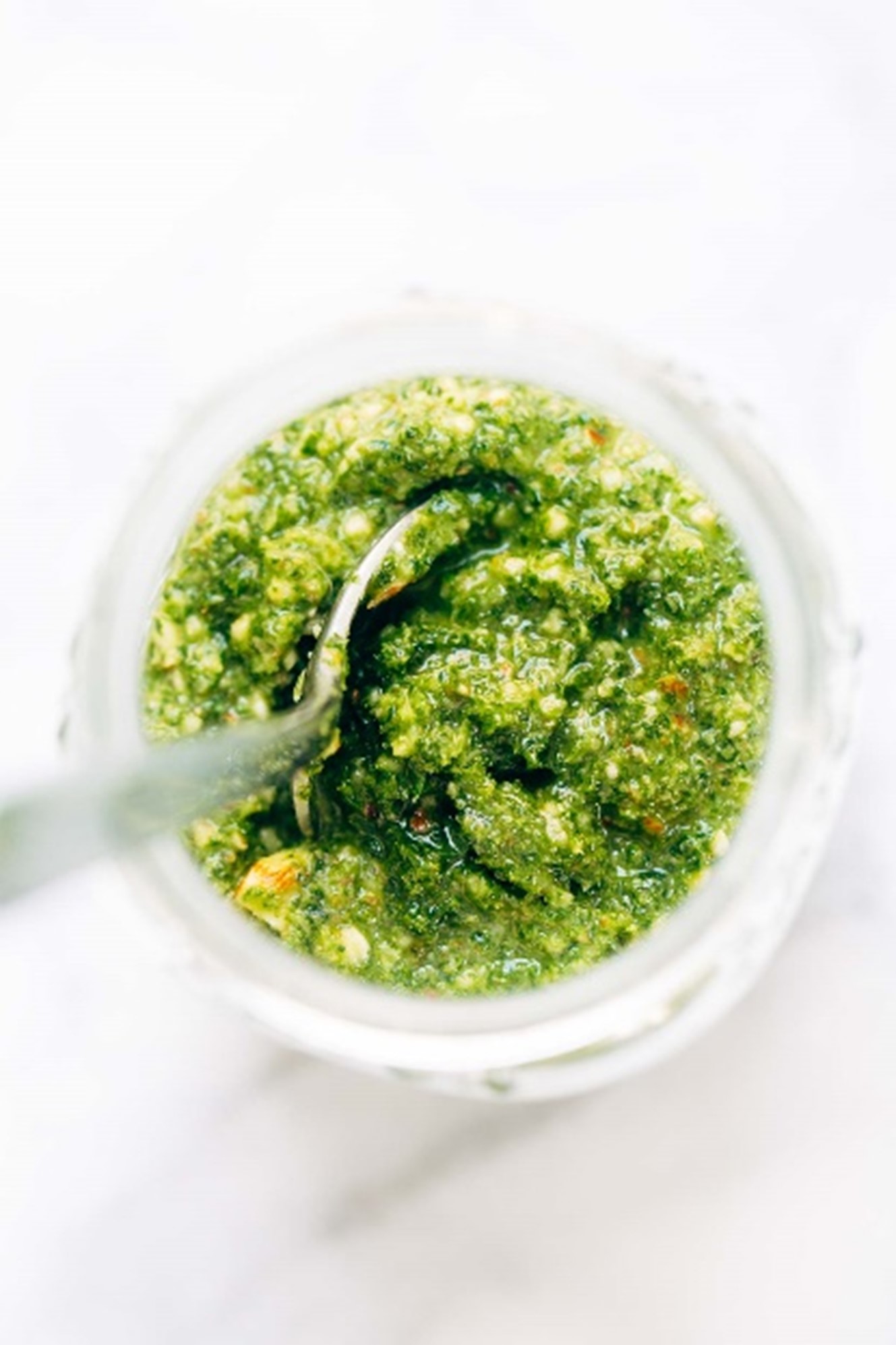
    Ainstie’s Kale Pesto

    This pesto is a pantry staple for Ainstie Wagner, Executive Chef at Government House Tasmania—and we think you’ll love it too!