Seasons: Autumn

  • Southern Bliss Apple Waldorf Salad

    Southern Bliss Apple Waldorf Salad

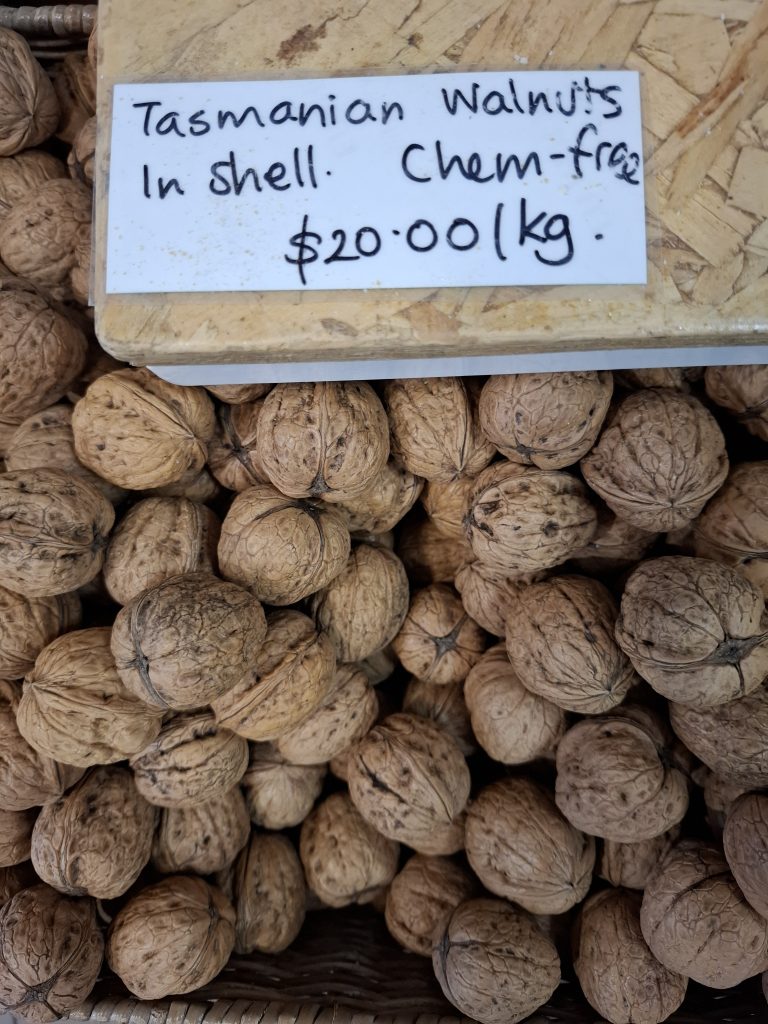
    Healthy, delicious and crispy Southern Bliss Apples from R&R Smith together with toasted walnuts give this classic Waldorf Salad a fresh Tassie touch.

    Chef Kirsten Bacon has created a creamy, easy recipe that is perfect for lunch, picnics, barbecues – or a quick and simple dinner side dish that pairs perfectly with Roast Chicken, Pork or Stuffed Mushrooms.

  • R&R Smith

    R&R Smith

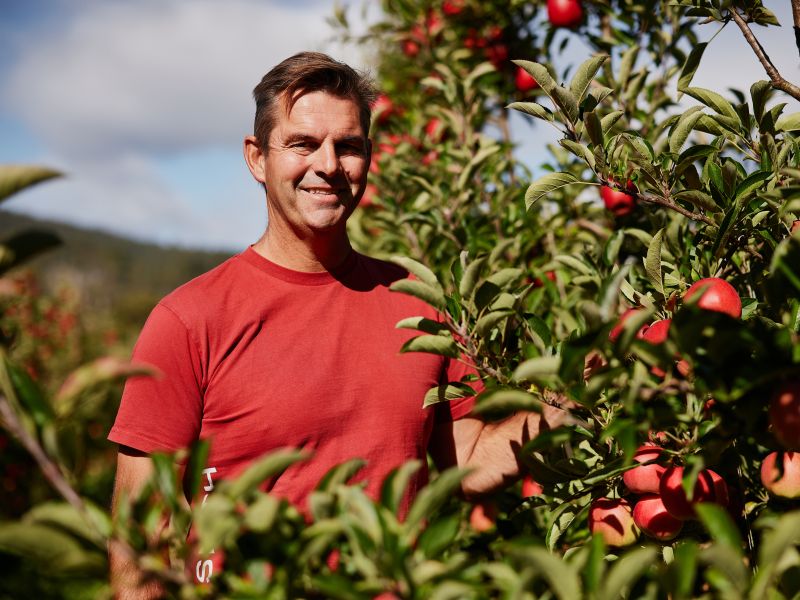
    The Smith family has been growing apples in the Huon Valley since 1888. Today, R&R Smith is led by Andrew Smith, who has transitioned the orchards to be 100% certified organic, making them leaders in sustainable fruit production.
    Their approach is rooted in the belief that healthy soil creates the best-tasting fruit. By ditching synthetic chemicals and embracing regenerative practices, they produce crisp, flavourful apples that are as good for the planet as they are for the community.

    From classic Pink Ladys to modern organic varieties, every piece of fruit is a testament to four generations of Tasmanian agricultural heritage and a deep respect for the land.

    Look for their organic fruit at major Tasmanian retailers (Hill Street Grocer, Salamanca Fresh, Eumarrah Hobart and Launceston), independent wholefoods stores, Woolworths Supermarkets under the Macro Organic label in the organic section, and the Willie Smith’s Apple Shed.

  • Partner Spotlight: Supporting Student Success with the TUSA Food Hub

    Partner Spotlight: Supporting Student Success with the TUSA Food Hub

    Interview with Kim White, TUSA’s Sustain & Support Manager

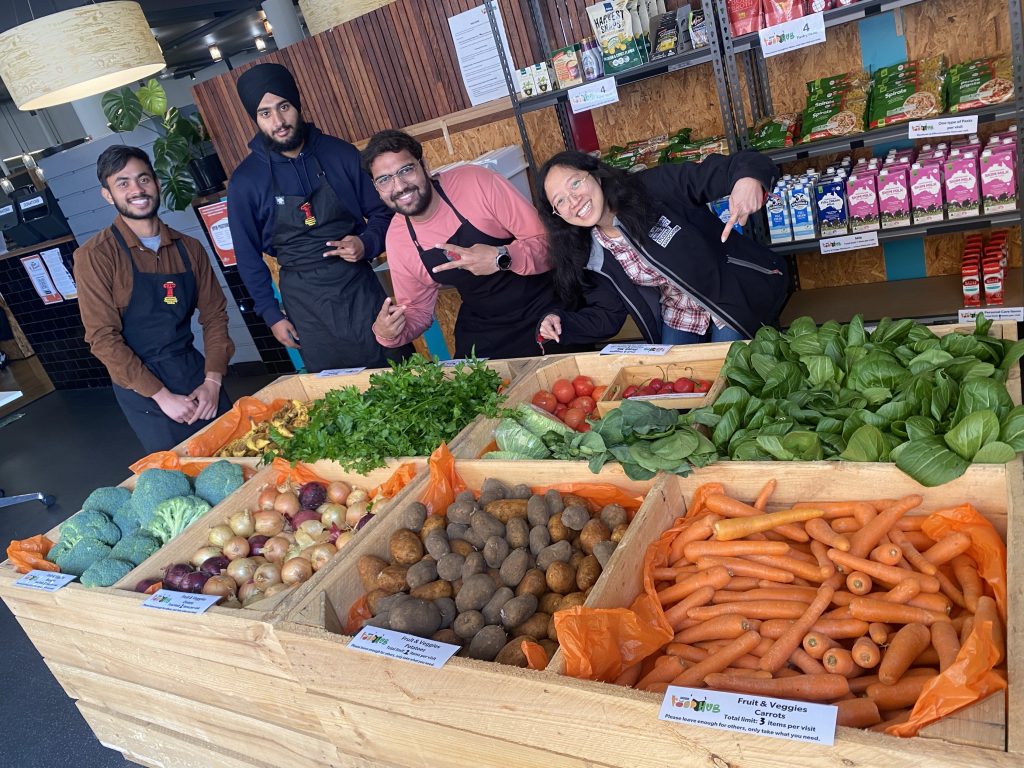
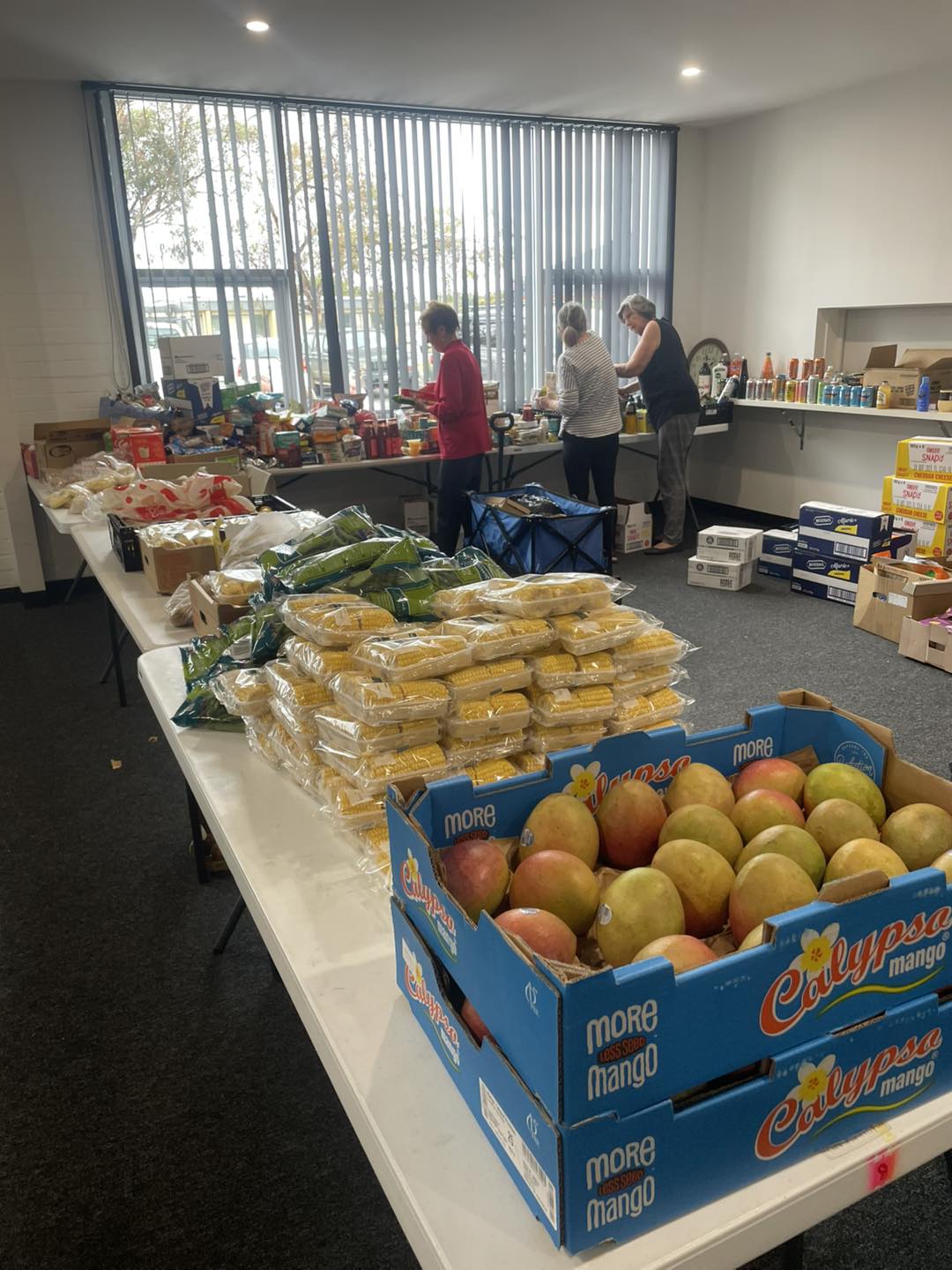
    Food insecurity on campus is a growing challenge, but the Tasmanian University Student Association (TUSA) is meeting it head-on. We sat down with Kim White, TUSA’s Sustain & Support Manager, to discuss how their TUSA Food Hubs have evolved from a simple veggie bag scheme into a statewide network offering essential relief for UTAS students.

    Tell us, what is the TUSA food Hub, who operates it and how did the TUSA food hub come about?

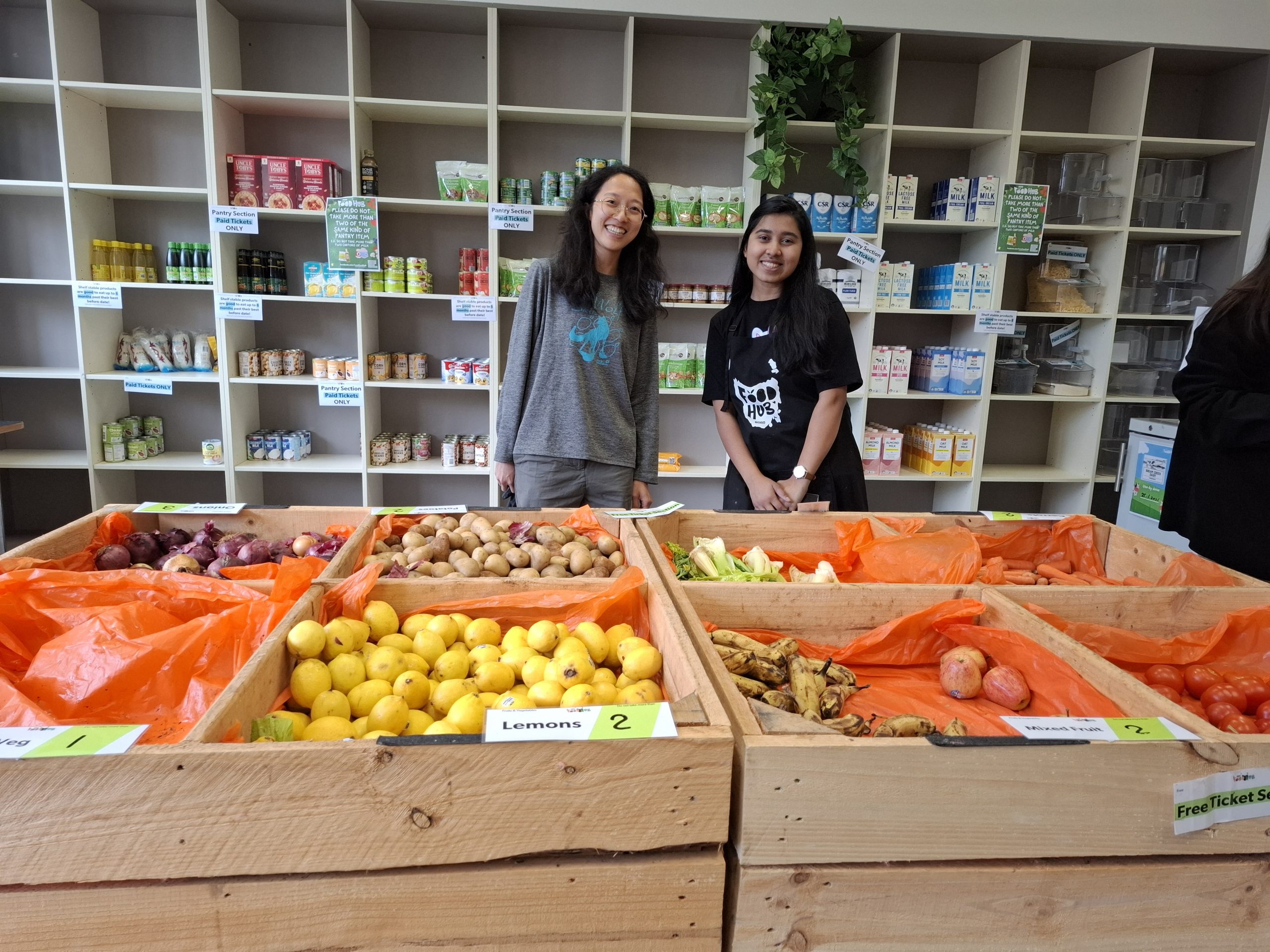
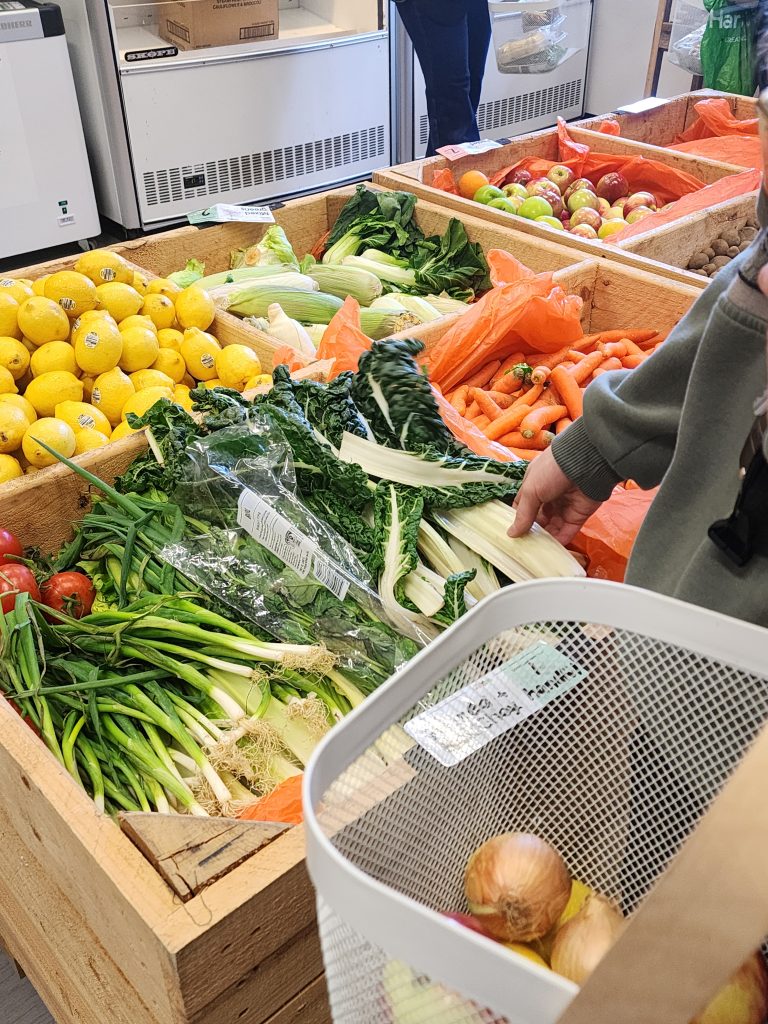
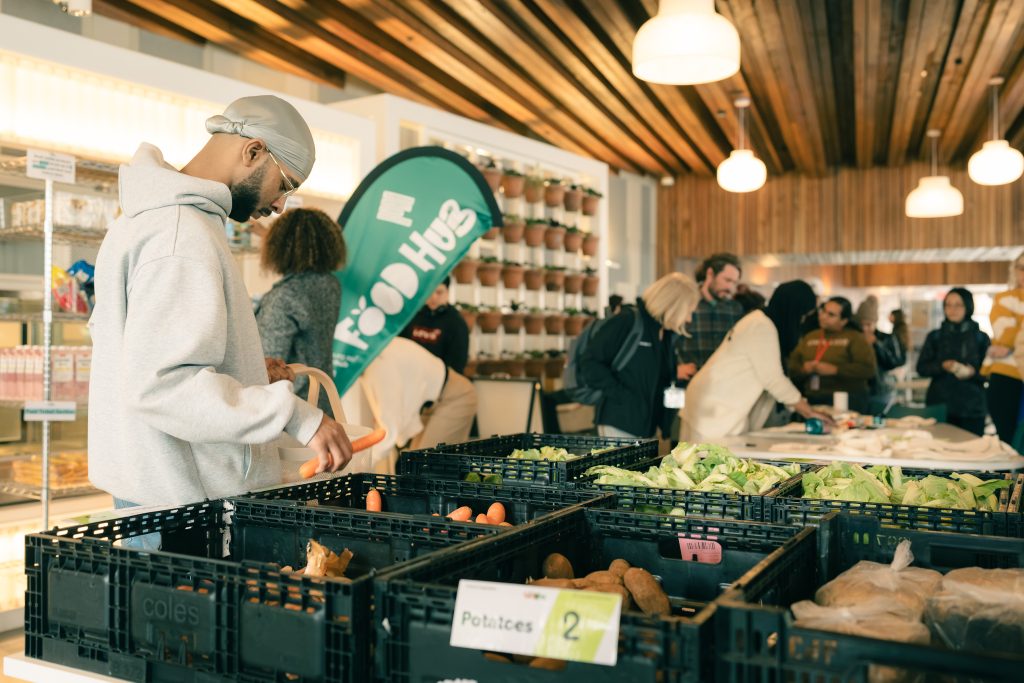
    It’s a free and affordable food service for all UTAS students. We offer different tiers depending on what a student can afford. They can always access free fruit, veggies, bread, and frozen meals donated by our wonderful partners (full list on our website). Then, they can “add on” pantry items for just a dollar each – we subsidize these so students can walk away with a bag of affordable groceries. It’s a statewide operation – including our campus in Rozelle, NSW – run by me and our wonderful Food Hub officers: Shan-Yu in the South, Maddie in the North, Cathy in the Northwest, and Thierry in Rozelle. And then we have our incredible team of student volunteers we couldn’t do without.

    The 2024 Food insecurity survey data shows that over 50% of UTAS students identify as food insecure. What does that look like in reality?

    It ranges from “marginal” insecurity – constantly worrying about how much money is left for food – to “severe” insecurity. We know 29% of students are severely food insecure, meaning they are skipping meals and going hungry multiple times a week. There’s an old “rite of passage” myth that students should just tolerate eating 2-minute noodles, but we’re advocating against that. Food insecurity directly impacts learning, wellbeing, and whether students stay enrolled at university. Students cannot thrive academically when their basic needs are not met. Access to education should not depend on whether a student can afford food.

    The 2024 Year in Review highlighted an increasing reliance on Food Hubs across our campuses. How has TUSA evolved its support systems to meet this growing need while ensuring students still feel empowered and supported?”

    Our Food Hub pilot first commenced on the Sandy Bay campus in July 2023, in partnership with Loaves and Fishes. We reached ~5,000 students in 2024. And whilst the pilot was successful, we knew we weren’t reaching UTAS students on other campuses. In response, we worked hard to secure grant funding to expand the Food Hub model statewide and better meet the needs of our growing student community.
    Since then, we’ve significantly expanded the program. We opened the Inveresk Food Hub in Launceston in March 2025, followed by Cradle Coast Food Hub in Burnie, in May. In July, we launched in Hobart City and Rozelle in NSW, ensuring more UTAS students could access support wherever they are studying.
    Alongside expanding access, we’ve also strengthened the wrap-around support available to students. Food Hub visitors can be referred to our Student Advocacy and Student Legal Services, which both provide free and confidential support for students experiencing challenges during their studies. Our Student Advocates can assist with financial support, including grocery vouchers, and work with students to develop practical strategies to navigate difficult situations. Our Student Legal Service also provides advice and support on matters such as tenancy, workplace issues, contracts, consumer rights, family violence, disputes with the University, and criminal charges.
    We’ve also introduced additional food education initiatives, such as cooking classes and gardening workshops. These programs aim to build students’ confidence and practical skills, so they’re not only receiving food support in the moment but also gaining tools that help them feel more empowered and resilient in the long term.
    In 2026, we are opening a Social Enterprise Cafe and Social Supermarket, to continue to meet the demand and also to ensure a sustainable long-term model going forward.

    With Hubs now active from Hobart to the Cradle Coast, how important is it to include fresh, seasonal Tasmanian produce in your weekly offerings?

    In short – it’s super important. Fresh produce is the main thing students tell us they simply can’t afford. We work closely with Loaves and Fishes, and many of their fruits and veggies come from local Tasmanian producers. We also partner with the UTAS Community Gardens, which allows us to include fresh, locally grown produce whenever it’s available. We love when a crop is in season because there’s an abundance for the students, and it gives us a chance to teach them how to cook with that specific produce.

    Beyond the pantry staples, you run “Bubble and Squeak” lunches and cooking classes. How do these help students build confidence?

    Many students move out of home and realise they’ve never really learned to cook. Our weekly classes in Hobart, Launceston, and Burnie help them use the veggies they find at the Hub, but they also offer a social environment. Whether it’s a two-hour cooking class or just stopping by to prep onions for 10 minutes at a community lunch, it’s about meeting people and sharing stories. We’re here for the “fun times” too – Uni isn’t just for study; it’s for connection.

    For the producers and community members reading this, what is the most effective way they can support the TUSA Food Hub – whether through donations, volunteering, or partnerships?

    All of the above! We accept both food and monetary donations, and we’re currently looking for sustainable funding partners. We actually have a prospectus coming out soon for those who want to contribute to the program on a larger scale. Otherwise, volunteering is essential for running all of our Food Hubs – anyone can help, and our volunteers love cooking with students or helping with day-to-day operations of Food Hub, as well as getting to know the students. If you have an idea for a partnership that offers program sustainability, social connection or skill-building, come and chat with us.

    Finally, what is your favourite fruit and what veggie could you not live without?

    Favorite Fruit – I think my favourite fruit would be a strawberry, if it’s in season and really juicy and flavourful.
    Favorite Veggie – The versatile potato!

    The Wrap
    Where: Hobart City, Sandy Bay, Inveresk, Cradle Coast, and Rozelle.
    What’s on Offer: A mix of free and affordable fresh produce, pantry staples, and ready-made meals, alongside free cooking classes and community lunches to help UTas students build skills, feel supported, and stay connected.
    More info: TUSA Food Hub
    Donation Link: My Cause – TUSA Food Hub
    Contact Kim to discuss ways to partner: kimberley.white@utas.edu.au

  • Why Unpacked is the heart of Kingston pantries.

    Why Unpacked is the heart of Kingston pantries.

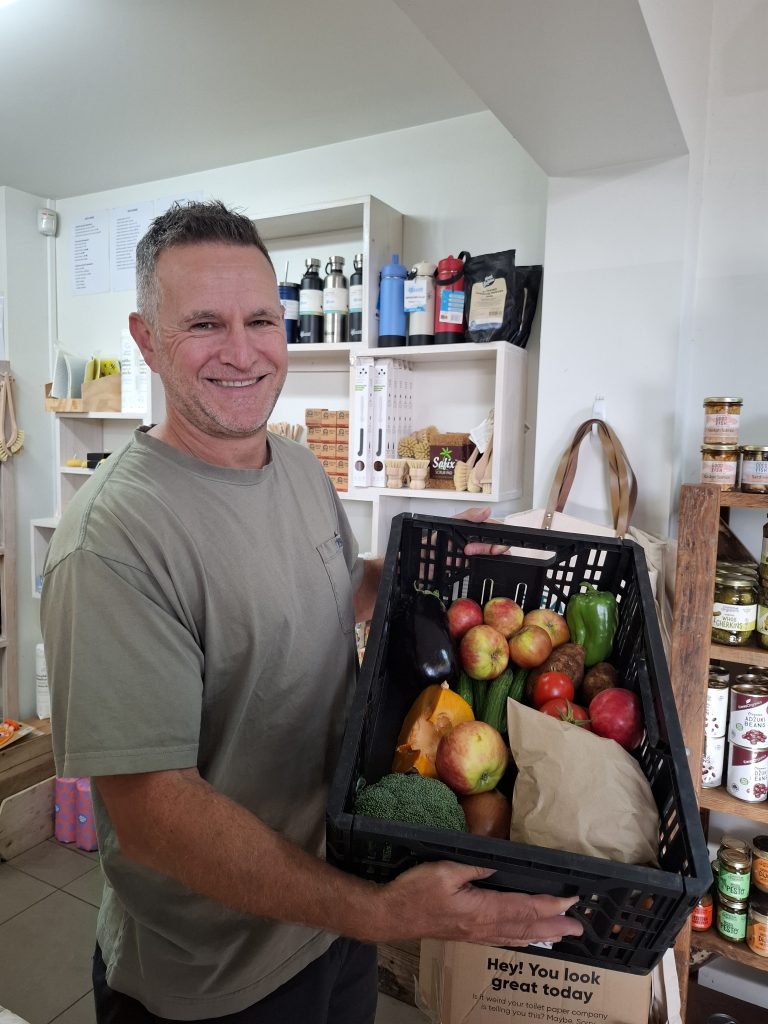
    Stepping into a wholefoods store can sometimes feel a little daunting. But the moment you walk through the doors of Unpacked, the bulk organics and wholefoods store in Kingston, that intimidation simply fades away. Before we even reached the counter, we were greeted with a warm smile and a genuine hello from Hayley. The shop is bright, airy, and smells faintly of fresh spices and coffee—not at all like the clinical, fluorescent-lit aisles of a big-chain supermarket

    We sat down with Josh White, the owner of Unpacked, to chat about the magic of bulk buying and the importance of local food security. Halfway through our conversation, the interview took a brief, delicious pause. The front door swung open for a special delivery: armfuls of beautiful, freshly baked, wood-fired sourdough from Summer Kitchen Bakery in Ranelagh. As the aroma of warm bread filled the room, it was clear that Unpacked isn’t just a shop.

    Here is what Josh had to share about building a resilient, nourished community in the heart of Kingston.

    Unpacked is such a staple in the Kingston community now. Can you take us back to the beginning—how long have you been open, and what was the “lightbulb moment” where you identified the need for a low-waste store here?

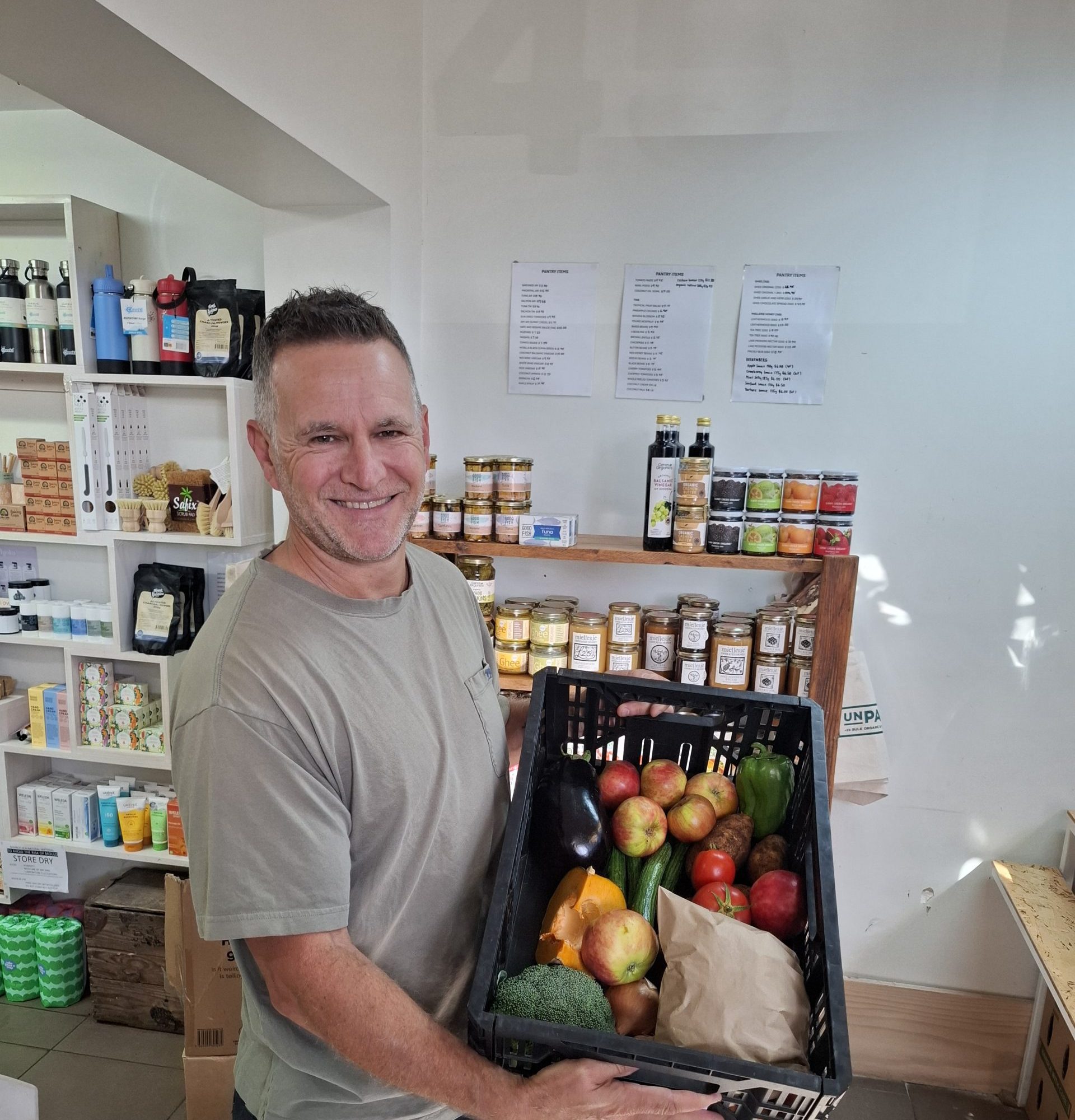
    We didn’t actually start the business ourselves, but a friend of ours did! It has been around for about 10 years now. After about six years, the original owner, Anna, decided it was time to move on. We decided to buy it because we didn’t want to risk such a community staple being lost.

    It’s where we always shopped. Our own ethics are all about reducing waste—we have a large family with four children, so we always viewed the business through the lens of: How can we do our entire grocery shop here and go home with zero rubbish to put in the bin? That was the decision behind buying it—it aligns with everything we do at home.

    For someone who hasn’t stepped inside yet, what can they expect? How does shopping here differ from a standard supermarket run?

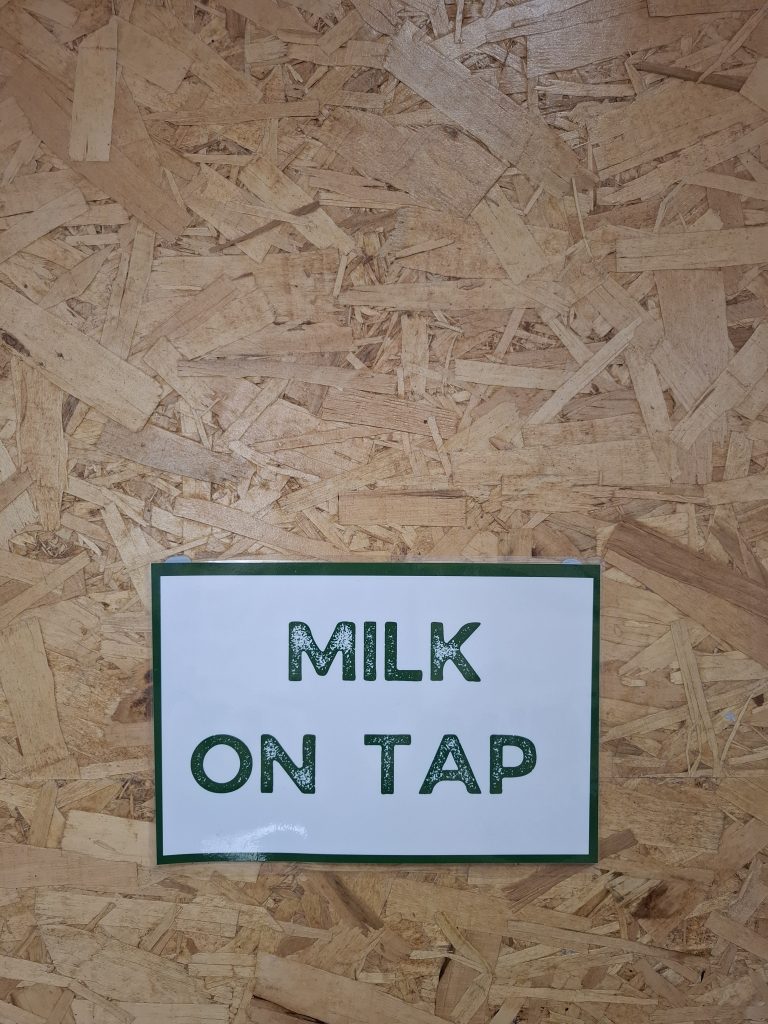
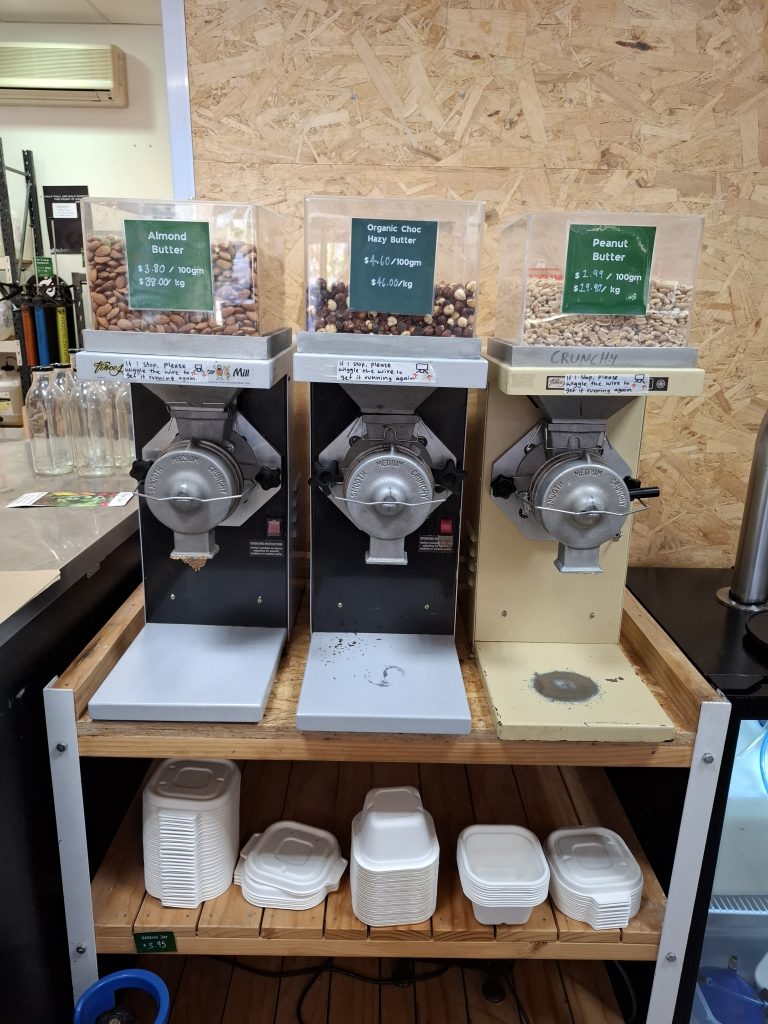
    In terms of the shopping, some people worry they have to bring their own containers, but you don’t! We have biodegradable paper bags for those who need them. We stock everything from the basics—cornflakes, muesli, every kind of flour—to specialty items like mushroom powders, collagen, and even kombucha and milk on tap. We even have peanut butter and almond butter machines!

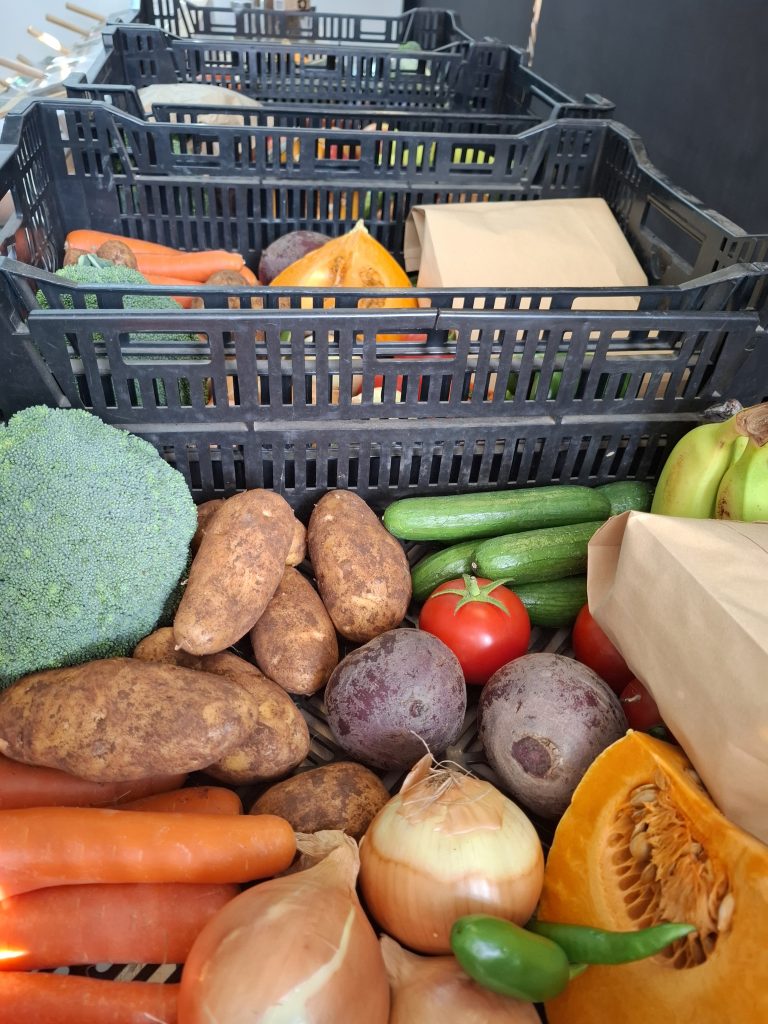
    We love being the conduit between local farmers and the community. We also own the Unpacked VegeBox program, which is packed off-site but collected right here every week or delivered across southern Tasmania.

    The service you recieve from our staff is second to none. We know our customers’ names; it’s a very personal experience and that comes through in the service. My wife, Collette runs all the social media as well as the accounts & bookkeeping. Hayley has a huge hand in running both the Unpacked shop, and the Unpacked VegeBox program along with Staja. And I have to call out all our team who go above and beyond in the shop: Millie, Verity, Olivia, Josie, Alice, Smith, Elsie, and Alex – a huge thank you to everyone that makes Unpacked happen!

    With the cost of living rising, many families are feeling the pinch. How is Unpacked positioned to help Tasmanians stay resilient right now?

    One of the biggest advantages is that you dictate how much you buy. You don’t have to buy a whole pre-packaged box or a kilo bag. If you only need a single teaspoon of a specific spice for a recipe, you can buy exactly a teaspoon. We get a lot of retirees and people on pensions who shop here for that exact reason—they can get exactly what they need without the waste or the extra cost.

    What do you see as your biggest advantage over the big supermarket chains?

    We have zero automated checkouts! And no inclination to get them anytime soon. It’s about that human connection. Plus, the quality of what we source—I personally go to the farms, look at their procedures, and ensure they aren’t using sprays or chemicals. Most of our growers are certified organic, and being able to vouch for that quality is something you just don’t get at a big chain.

    Advice for the “Wholefood Curious”. If a family wants to start eating more wholefoods but feels overwhelmed, where should they start?

    Just come in and talk to us! Let us show you how easy it is. We actually have quite a few customers with young children who find it a bit tricky to shop with them, so they give us a shopping list. We pack the whole order for them while they take the kids to the park or the library, then they just swing back and pick it up. We’re here to make it work for you.

    Finally, we’re right in the heart of Autumn now. What is your favourite seasonal produce coming through the doors?

    I love fresh blueberry season, though we are right at the tail end of that now—we have about four different organic blueberry farms that supply us. I also love early-season potatoes—Pink Eyes and Kipflers—which Tassie is so famous for. And eggplants! They have a short season, but when they’re organic and local, they’re amazing.


    Where to Shop: Tasmania’s wholefood and organic Stores

    If you aren’t in the Kingston area, there are plenty of incredible “wholefood brothers and sisters” across the state where you can scoop, pour, and shop consciously:

    Next time you’re in Kingston, pop into Unpacked at 45 Channel Highway. Whether you’re after a single teaspoon of cinnamon or a whole box of seasonal veg, you’ll be met with a smile—and maybe even the smell of fresh bread.

  • Community Spotlight: The Low Cost Store – Sorell

    Community Spotlight: The Low Cost Store – Sorell

    Interview with Kristian Hovarth

    In our latest chat, Eat Well Tasmania sat down with Kristian Horvath from the Sorell Community Network to discuss their brand-new initiative: a Low Cost Store designed to help local families stretch their budgets further.

    For those who haven’t visited yet, what is the ‘Low Cost Store’ and how is it assisting your local community?

    It’s a space where people can purchase groceries, pantry staples, dairy, meat, and pre-prepared meals at a significantly reduced price. We already run a weekly free food program for about 70 local households, but the Low Cost Store is a new way for people to access essential items they might otherwise struggle to afford. It’s pretty hard to understand in a world of a wealthy country like ours that we have people who live in poverty and are unable to afford the basics. The Low Cost store is just one initiative that allows people to shop with dignity and choose afford what their family actually needs.

    Your first week was a huge success. How many people visited, and how did you identify the need?

    We had at least 25 customers in our very first session. The need is unfortunately growing; we are seeing more of the “working poor” -people who have jobs but simply can’t keep up with the cost of living. We’ve met parents who are having to skip meals to ensure their kids are fed and we know of some single mums living in uninsulated sheds becuase they cant afford a rental. I’ve even sent $20 to members of the community so they can purchase the fuel needed to visit us. The need is so great due to the cost of living crisis and so the low cost store is a sustainable way to provide more than just the basics and help people manage those impossible choices.

    We have to ask – is there fresh fruit and vegetables on the shelves?

    While we don’t “sell” the veggies in the Low Cost Store just yet, we provide as much fresh produce as possible through our free food program. We do find it challenging to access reliable sources of fresh fruit and veggies however we recently ran a “Veggie Blitz” campaign where the community chipped in so we could buy extra fresh stock from local farmers and shops. Because of our network and the generous donors who support us behind the scenes, a $300 donation actually buys about $1,500 worth of food – so every dollar donated has an amplified impact on the health of our residents.

    Is there anyone that you would like to highlight or thank

    It’s a massive community effort . We are a 100% volunteer effort with about 50 locals helping out – donating their time or money and support us to enable us to do what we do.

    Finally, what is your favourite fruit and what veggie could you not live without?

    I can’t go past a Tassie apple, and the veggie, with a doubt, is the pink eye potato.

    How can locals find you?
    You can find us at the Sorell Memorial Hall (behind the RSL) every Wednesday:
    • Low Cost Store: 4:00 PM – 5:00 PM
    • Free Food Program: 5:00 PM – 5:45 PM Check us out on Facebook at Sorell Community Network for updates or to see how you can help!

  • What’s on in Autumn?

    What’s on in Autumn?

    Your Seasonal Events Guide.

    Goodbye Summer, hello Autumn. The leaves are changing, and the weather is cooling down. Tasmania, there’s a seasonal event near you. Find cooking classes, crop-swaps, produce markets and more.

    March

    Fri 6 – Mon 9 – Heartlands Autumn Harvest Festival (Ross, Midlands) – Bush feasts, markets, and the Chilli & Cheese Festival.

    Wednesday 11 – ReThink Waste: Kitchen Workshop (Scottsdale, North East)

    Thursday 12 – ReThink Waste: Kitchen Workshop (George Town, North)

    Friday 13 – ReThink Waste: Kitchen Workshop (Launceston, North)

    Friday 13 – Sunday 15 – Echo Festival (Swansea, East Coast) – East Coast Harvest Odyssey, a Festival of the Senses

    Saturday 14 – Harvesting Connections: Circular Living & Gardening Event (New Town, South)

    Saturday 14 – Beginning Food Gardening Workshop (Riverside, North)

    Saturday 14 – Hop to Harvest Festival (Deloraine, North) – A tribute to Meander Valley farmers and produce.

    Saturday 14 – Spud Fest (Scottsdale, North East) – Celebrating the “Spud Capital” with local produce.

    Sunday 15 – Tasmanian Heirloom Festival (Hagley, North) – Focusing on heirloom vegetables, seeds, and workshops.

    Wednesday 18 – ReThink Waste: Kitchen Workshop (Devonport, North West)

    Thursday 19 – ReThink Waste Workshops (Hobart, Rosny, Sorell, Huonville & Burnie, Various)

    Friday 20 – Street Eats @ Franko (Hobart, South)

    Saturday 21 – Bream Creek Show (Bream Creek, South East) – Traditional agricultural show with local produce.

    Saturday 21 – Autumn Kitchen Garden Planning – RTBG (Hobart, South)

    Sunday 22 – Farm Gate Market (Hobart, South)

    Sunday 22 – Worm Farm & Composting Masterclass – Good Life Permaculture (Hobart, South)

    Wednesday 25 – Community Garden ‘Dig & Dine’ – Okines (Dodges Ferry, South East)

    Thursday 26 – Sirocco South Forage & Feast (Forcett, South East)

    Saturday 28 – Harvest Launceston (Launceston, North)

    Saturday 28 – Huon Valley Autumn Harvest Celebration (Huonville, South)

    Sunday 29 – Runnymede Autumn Fair (Hobart, South)

    Sunday 29 – Bream Creek Farmers Market (Bream Creek, South East)

    Check out the recurring markets and events below

    April

    Saturday 4 – Harvest Launceston (Launceston, North)

    Sunday 5 – Easter Sunday at The Kiln (Ranelagh, South)

    Saturday 11 – The Agrarian Kitchen: Cook with Rosheen Kaul (New Norfolk, South)

    Saturday 11 – Launceston Horticultural Society Autumn Seasonal Show (Evandale, North)

    Sat 11 + Sun 12 – TrailGraze (North West) – A Weekend Feast on Tasmania’s Tasting Trail

    Sat 11 + Sun 12 – Nuts and Notes at Hazelbrae (Hagley, North)

    Sat 11 – Sun 12 – North West EcoFest (Ulverstone, North West) – Major sustainability festival with workshops and eco-stalls.

    Sunday 12 – Judbury Market and Community Centre (Judbury, South) – Biggest pumpkin contest

    Sunday 12 – 2026 Derwent Valley Autumn Festival (New Norfolk, South)

    Sunday 12 – Compost Making and Worm Farms (Golden Valley, North)

    Thursday 16 – Learn the Art of Fresh Cheese Making (Legana, North)

    Friday 17 – Hobart Twilight Market (Hobart, South)

    Friday 17 – Easter Seafood Luncheon at Mures Upper Deck (Hobart, South)

    Saturday 18 – St Helens Market (St Helens, East Coast)

    Saturday 18 – Real Skills for Growing Food (Bridgewater, South)

    Sunday 19 – Wynyard Foreshore Market (Wynyard, North West)

    Sunday 19 – Derwent Valley Honey Bee Festival (New Norfolk, South)

    Sunday 19 – Cygnet Autumn Garden Market (Cygnet, South)

    Sunday 19 – Crabtree Crop & Crafts Market (Crabtree, South)

    Sunday 19 – Ross Village Market (Ross, Midlands)

    Sunday 26 – Sorell Market (Sorell, South East)

    Check out the recurring markets and events below

    May

    Sunday 3 – Learn to Make Sourdough (Legana, North)

    Tuesday 5 – Burnie Seed Library (Burnie, North West)

    Thursday 7 – Agfest Field Days: Food Alley (Carrick, North)

    Friday 8 – Agfest Field Days: Tasmanian Producers Pavilion (Carrick, North)

    Saturday 9 – Agfest – Final Day Feast (Carrick, North)

    Sunday 10 – Home Composting Workshop (Hobart, South)

    Sunday 10 – Mother’s Day High Tea at Hadley’s Orient Hotel (Hobart, South)

    Wednesday 13 – Sunday 17 – Stanley & Tarkine Fork and Forage Festival (Stanley/Smithton, North West)

    Friday 15 – Hobart Twilight Market (Hobart, South)

    Friday 22 – Hobart Twilight Market (Hobart, South)

    Thursday 28 – Tasting Trail NW Discovery Day (Regional, North West)


    Ongoing events

    Fridays

    Street Eats @ Franko (Hobart, South) – Seasonal (runs through March).

    Devonport Twilight Market (Devonport, North West) – 1st Friday monthly

    Saturdays

    Harvest Launceston (Launceston, North)

    Salamanca Market (Hobart, South)

    Tasmanian Produce Market (Kangaroo Bay, South)

    Willie Smith’s Artisan Market (Huon Valley, South)

    St Helens Market (St Helens, East Coast)

    Burnie City Market (Burnie, North West) – Every 1st and 3rd Saturday

    Sundays

    Farm Gate Market (Hobart, South)

    Penguin Market (Penguin, North West)

    Evandale Market (Evandale, North)

    Sorell Market (Sorell, South East)

    Richmond Village Market (Richmond, South East)

    Oatlands Community Market (Oatlands, Midlands) – Every 1st Sunday

    Bream Creek Farmers Market (Bream Creek, South East) – Every 1st Sunday

    Derwent Valley Community Market (New Norfolk, South) – Every 3rd Sunday

    Ross Village Market (Ross, Midlands) – Every 3rd Sunday

  • Wattle Hill Olives

    Wattle Hill Olives

    A family-operated, award winning olive grove nestled along Tasmania’s Northwest tasting trail.

    Head to Wattle Hill Olive Grove in Latrobe to see and taste the the difference. This family owned and operated business is run by a dedicated team of three – Emily, Trish and Coen.

    Over 2,000 olive trees here are meticulously tended to, ensuring optimal growth and a rich, full flavour profile in every olive. Discover varieties such as Manzanillo and Nevadillo – there will be an olive to suit every taste and preference! Wattle Hill Olives are committed to sustainable harvesting and traditional practices. The grove is more than just a collection of trees – but a living testament to the rich, fertile soils of Tasmania.

    Wattle Hill Grove also offers an enchanting farm stay experience, the Olive Leaf Retreat, where you can unwind among the groves and experience firsthand where the magic happens. Perfect for families, friends, or large groups of up to 8 guests, the four-bedroom retreat combines country charm with modern comfort, offering a serene place to slow down and reconnect.

  • Interview with Jay Patey

    Interview with Jay Patey

    We spoke to Jay from Pigeon Whole Bakers as part of Don’t Bin Your Bread – a story about reducing food waste.

    How did you get started baking?

    I’ve been baking for 15 years now. Going back to the early days, it was like this very simplistic yeasted dough. I really wanted to go back to the roots of baking in a woodfired oven. I started to experiment with sourdough and then I got the ‘baking bug’. I got to the point of like, I need to learn more. I was enjoying the process and watching our customers enjoy it.

    You call yourself a ‘traditional Baker’, what does that mean exactly?

    We basically bake in the old style of sourdough bakery, where we’re using minimal ingredients, focusing on good quality flour, and old techniques that have been around for a long time. Baking is a wild journey. You’re working with raw natural ingredients, and there are nuances in our flour, season to season. It takes about two days to three days to make each loaf, so there’s a lot of time in between with mixing, resting those, and baking those to get to our customers.

    I’m blown away by the many hands that make one loaf of bread. How many people are involved?

    The team is just incredible. From delivery drivers, the people that wash the dishes, the bakers, the pastry team, our retail team, the management behind the teams. There are so many people involved now we have over 60 employees in the game. There’s been a lot of learning curves over the last 14-15 years to get to this point.

    How did you decide which types of breads you wanted to make?

    The breads were designed basically by thinking about how people would use them first. We’ve added a few extra things along the way but essentially, a lot of our core range hasn’t really changed. We went for a classic sourdough style, that’s something the kids and the parents can enjoy. There’s also a rye and molasses bread that’s good for sandwiches, but also for cheese and charcuterie.

    How do you think eaters can reconnect to their food?

    When you’re about to potentially throw away a loaf of bread– take a moment to think about the process and the journey of the loaf, the amount of people and invested skill that have been behind getting that to your table. To then just pick that up and disregard it is at the end of the day, pretty disrespectful. Don’t do it!

    When looking at food waste, households are the biggest culprit. Do you have any tips for eaters to help avoid this?

    If you realise that you’ve got too much bread – cut it up into single portions and put them in a ziplock bag in the freezer. Bread will stay well up to six months in the freezer. If you feel like all that loaf has been there for a few days – before you go buy another one, do something with that one. Make some croutons with some olive oil, some salt, and herbs out of the garden. You can put them into a little sealed glass jar in the cupboard and label it for later – and make sure you use them!

    What’s next for you and Pigeon Hole?

    I think baking is ingrained in me now. I love working with a team and instilling my knowledge. I’m going to be doing this for a while. I’m not going anywhere. We’re playing in the league. That’s where we decided to play and that’s our job. Honestly, from the outside we make it look easy. We are professionals, and we just love it.

  • Heritage Honey

    Heritage Honey

    Organically produced Tasmanian honey and all things beekeeping.

    Heritage Honey is a local family-run business located in Moonah.

    Established by Peter Norris, who has been involved in beekeeping for over 35 years. Prized for their organically grown honey, there are a range of varieties to try – including leatherwood, manuka, prickly box, blue gum, bush, fennel, and more.

    You will also find an ample range of gifts, honey-related products, gifts, and beekeeping equipment.

    Get in touch with Heritage Honey today.

  • 10 Steps Olive Oil

    10 Steps Olive Oil

    Local olive oil made with love in the Huon Valley.

    10 Steps Olive Oil is a labour of love for Mark and Kathy Norris. Their property in Waterloo is home to over 800 trees, including 10 different varieties planted over 14 years.

    The olive grove produces over 200 litres of olive oil each year, which is cold-pressed on site.

    Get in touch with 10 Steps Olive Oil through their Facebook page. You can also find them at local markets, including Judbury Market, Franklin Market and Geeveston Market.